Dragonfly Hidden Wonders

Chandan Singh
| 13-02-2026
 · Animal team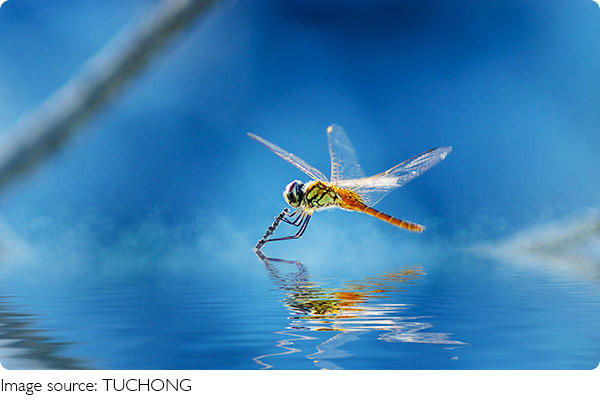
A quiet pond can look almost still until a flash of color slices through the air like living glass.
Dragonflies don't simply fly past—they hover, pivot, and vanish in seconds, turning an ordinary afternoon outdoors into something vivid and memorable.
Watching one glide above the water feels like witnessing a tiny piece of prehistoric time still moving in the modern world.
Ancient insects still thriving today
Prehistoric roots, unchanged design, remarkable endurance
Origins stretching back millions of years
Dragonfly ancestors existed long before many familiar animals appeared. Fossil evidence shows that early relatives already had long wings and strong flight ability, proving their design worked extremely well from the start.
Body structure that barely needed change
Their long abdomen, wide-set eyes, and two pairs of wings remain efficient for hunting and navigation. Because this structure performs so well, evolution had little reason to redesign it.
Survival across shifting climates
Dragonflies adapted to temperature swings, habitat loss, and seasonal changes. Their flexible life cycle allows them to pause development during cold periods and continue when conditions improve.
Actionable example:
Visit a local wetland or park during warm months and observe how many dragonflies appear near still water. Their presence often signals a stable, healthy environment.
Flight skills that rival birds
Hovering control, sudden turns, backward motion
Independent wing movement
Each pair of wings can beat at slightly different angles. This allows dragonflies to hover in place or glide smoothly without losing balance.
Precision during fast chases
They adjust direction mid-air within fractions of a second. This makes their flight look effortless even during rapid movement.
Energy-efficient gliding
Instead of constant flapping, dragonflies mix short bursts of motion with smooth glides. This conserves energy while covering large distances.
Actionable example:
Stand still near water and track one dragonfly with your eyes. Notice how it pauses in mid-air before shifting direction—something few flying creatures can do so cleanly.
A life that begins underwater
Hidden youth, patient growth, dramatic transformation
Early stage spent below the surface
Young dragonflies, called nymphs, live underwater for months or even years. They breathe through specialized structures and wait quietly among plants or sediment.
Slow preparation for flight
During this stage, the body forms wings internally. Growth happens gradually, supported by steady feeding and safe shelter.
Sudden emergence into the air
When ready, the nymph climbs out of the water and the outer skin splits open. A fully formed winged dragonfly pulls free, dries in sunlight, and soon takes its first flight.
Actionable example:
Look for empty shell-like skins attached to reeds near ponds. These delicate remains mark the exact place where a dragonfly entered the air for the first time.
Eyes built for near-perfect vision
Wide coverage, motion detection, color awareness
Nearly full circular view
Their large compound eyes wrap around the head, allowing them to see in almost every direction without turning.
Sensitivity to tiny movement
Even small flying insects are easy to detect. This quick visual response supports accurate mid-air hunting.
Ability to notice subtle color shifts
Dragonflies can distinguish fine differences in light and shade, helping them navigate reflections on water and locate safe landing spots.
Actionable example:
Wear calm, neutral colors when observing dragonflies closely. Bright clothing may alert them early, making quiet observation more difficult.
Why dragonflies matter in nature
Balance keepers, water indicators, season signals
Natural control of insect numbers
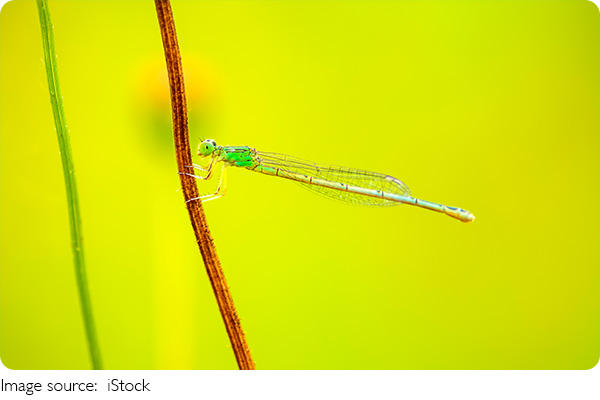
Dragonflies feed on many small flying insects, helping maintain ecological balance around wetlands and gardens.
Sensitivity to water quality
Because their young live underwater, polluted habitats reduce survival. A strong dragonfly population usually reflects cleaner water conditions.
Visible signs of seasonal change
Their sudden appearance in warm weather and disappearance in cooler periods mark natural yearly rhythms many people still notice.
Actionable example:
Support dragonfly habitats by keeping garden ponds free from chemical contamination and adding native aquatic plants for shelter.
A dragonfly's life is brief in the air, yet everything about it feels timeless. From ancient wings to glass-bright eyes, it carries a quiet reminder that small creatures can hold enormous stories.
The next time one pauses above a pond or garden path, it's worth slowing down for a moment. In that flicker of motion, you're seeing survival, transformation, and balance—all contained within a body lighter than a leaf.