Grey Crowned Crane Secrets

Chris Isidore
| 13-02-2026
 · Animal team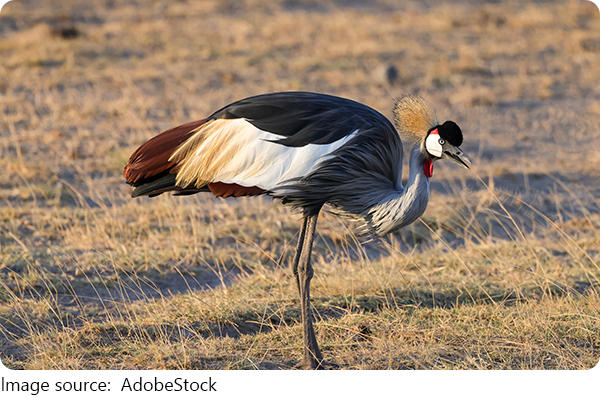
A flash of gold atop a grey head, a rhythmic leap across a grassy plain—watching a Grey Crowned Crane move is like seeing a living jewel perform.
Their golden crowns shimmer in the sunlight, and their calls echo across wetlands, bringing energy and life to spaces often overlooked.
Striking appearance and its purpose
Golden crown, silvery feathers, elegant stance
Unique golden crest
The crane's crown is made of stiff, straw-like feathers. This crown isn't just for show—it signals health and vitality to potential mates and rivals. The more upright and vibrant the feathers, the more confident the bird appears.
Contrasting body colors
Grey feathers cover most of the body, with white wing patches and black flight feathers. These contrasts help the crane blend with tall grasses while keeping key displays visible during courtship.
Long legs and neck for balance
Their limbs allow them to wade gracefully in wetlands and maintain poise while dancing or foraging.
Actionable example:
Observe a crane in the early morning. Note how it raises and lowers its crest during different interactions—it's communicating more than just showing off.
Dance moves that define courtship
Leaps and bows, wing flares, synchronized pairs
Energetic leaps
Grey Crowned Cranes jump several feet into the air, often repeatedly. Each jump sends a message to potential mates or signals dominance over rivals.
Wing displays
Stretching and flaring their wings adds dramatic effect, making the bird appear larger and more vibrant.
Pair synchronization
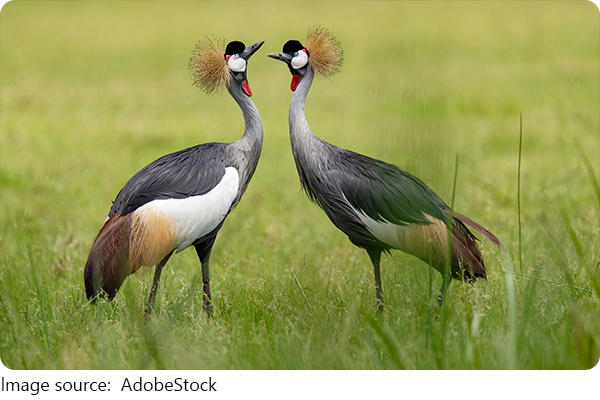
Couples often mirror each other's moves. These coordinated dances strengthen bonds and prepare them for cooperative parenting.
Actionable example:
If you spot a pair, watch carefully for mirrored movements. Timing your observations with dawn or dusk increases the chance of seeing full dance sequences.
Adapted for wetland life
Long legs, versatile diet, quiet navigation
Wading efficiency
Long legs let the crane move through shallow water easily, hunting for insects, small reptiles, and seeds.
Opportunistic feeding
These cranes eat plants, invertebrates, and small animals. Their diet shifts depending on season and water availability, showing remarkable flexibility.
Stealth and patience
Grey Crowned Cranes can stand motionless for minutes, waiting for prey or assessing surroundings. This patience helps them survive in changing wetland environments.
Actionable example:
Place binoculars near a wetland path and observe without sudden movement. You may see the crane switch from foraging in water to pecking at seeds on land seamlessly.
Vocal communication and social life
Loud calls, group signals, bonding sounds
Trumpeting calls
Their signature sound carries far across open spaces, marking territory and attracting mates.
Group coordination
In larger flocks, vocal exchanges help maintain group cohesion, warn of danger, and guide movement during migration or feeding.
Pair bonding
Soft coos and call exchanges between mates reinforce long-term relationships and synchronize daily routines.
Actionable example:
Sit quietly near a flock in the morning. Take note of call patterns between pairs—it's a rich language that conveys identity, intention, and connection.
Conservation and appreciation
Wetland indicators, threats and protection, educational value
Indicators of healthy wetlands
Because they rely on shallow waters and open grasslands, a thriving crane population often points to a healthy ecosystem.
Human impact and protection
Habitat loss and drainage are major threats. Protected reserves and wetland conservation efforts help maintain stable populations.
Opportunities for learning
Grey Crowned Cranes provide a chance to understand wetland ecology, bird behavior, and the importance of protecting delicate ecosystems.
Actionable example:
Support local wetland projects or birding groups. Even small actions like maintaining garden ponds or observing respectfully help raise awareness and promote conservation.
Watching a Grey Crowned Crane is a reminder that beauty in nature isn't just visual—it's movement, sound, and interaction combined. Each leap, call, and crown feather tells a story of survival, elegance, and connection. Next time you encounter one in a wetland or reserve, take a moment to watch closely—their world is alive with secrets waiting to be noticed.