European Wolf Habits
Pardeep Singh
| 13-02-2026
 · Animal team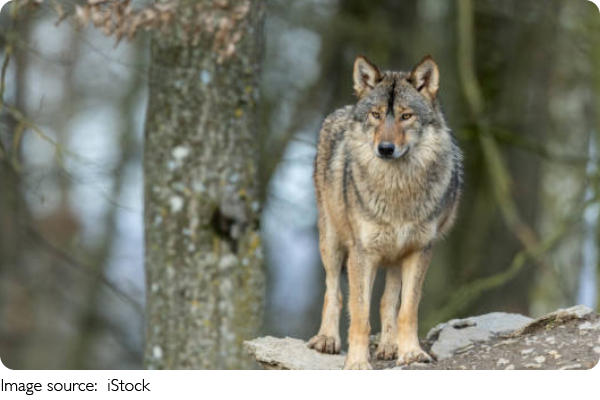
Watching a European wolf glide through a misty forest is like seeing a living legend in motion. Their presence feels both powerful and mysterious, yet their daily routines are surprisingly structured.
From pack hierarchy to hunting techniques, every aspect of their life reflects strategy, teamwork, and instinct.
Pack Structure and Social Bonds
European wolves thrive in well-organized packs that can range from a few members to over a dozen. Each pack has a hierarchy, led by the alpha pair, which helps maintain order and coordinate activities.
Roles within the pack
Alpha wolves – Lead hunts, make key decisions, and guide the pack through challenges.
Beta wolves – Support the alpha, reinforce order, and act as mediators.
Subordinate wolves – Carry out tasks, help raise pups, and maintain cohesion.
For example, if you spot a group of wolves traveling together, the alpha pair usually leads, while younger members follow closely, learning hunting techniques and social cues through observation. Understanding pack roles can help wildlife enthusiasts interpret behaviors without disturbing them.
Hunting Strategies and Diet
European wolves are skilled hunters, relying on teamwork and keen senses. Their diet primarily consists of deer, wild goats, and smaller mammals, though they'll adapt to available prey.
Hunting techniques
Stalking – Wolves quietly follow prey, analyzing terrain and escape routes.
Coordinated chase – Pack members surround and herd prey toward ambush points.
Opportunistic feeding – Wolves will scavenge or target weaker animals if necessary.
If observing from a distance, you might notice wolves using natural cover like trees or tall grass to approach prey, showcasing patience and tactical intelligence. Documenting these techniques can provide insight into predator-prey dynamics.
Communication and Territory
Wolves use a variety of signals to communicate and define territories. Vocalizations, body posture, and scent marking play key roles in maintaining boundaries and pack cohesion.
Communication methods
Howls – Coordinate movement, signal pack presence, or locate separated members.
Body language – Raised tails, ear positions, and posture convey mood and rank.
Scent marking – Natural scent deposits and scratch marks on trees indicate territory.
For instance, a lone howl at dawn might not just be a call for a mate, but also a message to neighboring packs about territory boundaries. Observing these signals can help wildlife photographers anticipate movement and behavior patterns.
Reproduction and Raising Pups
Reproduction is central to pack continuity. The alpha pair usually mates, while other members assist in raising the pups, ensuring survival through shared responsibilities.
Pup care practices
Den preparation – Secure and hidden dens are chosen to protect pups from threats.
Feeding and teaching – Adults bring food and demonstrate hunting techniques as pups grow.
Social integration – Young wolves gradually learn pack hierarchy and communication.
Spotting playful pups at the den edge offers a glimpse into how skills are transmitted. Early play behavior strengthens muscles, coordination, and social understanding, preparing them for future challenges.
Daily Routines and Adaptability
Wolves are most active at dawn and dusk, following a crepuscular lifestyle. Their daily routines are flexible, adapting to season, prey availability, and environmental conditions.
Routine behaviors
Patrol – Packs routinely survey and maintain boundaries.
Resting – During daylight, wolves rest in shaded or concealed areas to conserve energy.
Exploration – Wolves explore new areas for food sources or safe resting spots.
For wildlife observers, noting activity patterns can increase chances of sightings and understanding behavior cycles. For example, early morning treks near known territories often reveal wolves moving between hunting grounds.
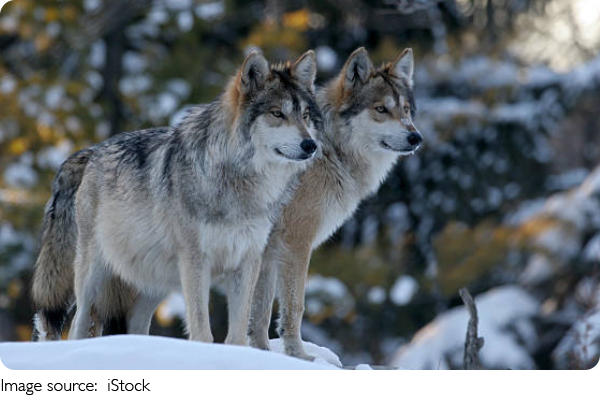
European wolves demonstrate how structure, intelligence, and adaptability blend to create a thriving social predator. Observing them reminds us that survival depends on cooperation, observation, and strategic thinking.
By respecting their space and studying their routines, we gain a richer appreciation for these iconic creatures, whose intricate social world mirrors lessons in teamwork, communication, and resilience.