Red Deer in the Wild

Amit Sharma
| 09-02-2026
 · Animal team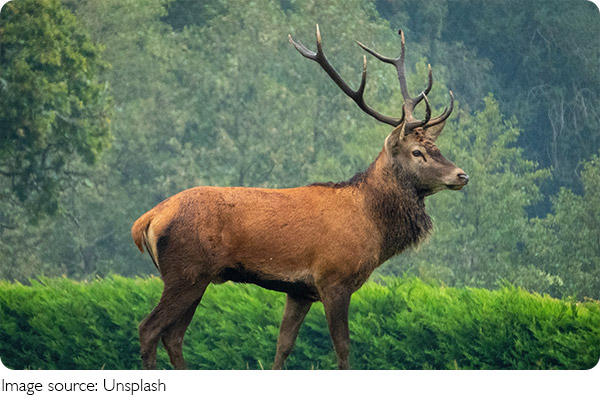
Mist hanging low over open grassland often reveals movement before sound.
A tall shape steps forward, pauses, and lifts its head to test the air.
This is the red deer—calm, watchful, and deeply connected to the rhythm of its surroundings. Seeing one in the distance feels less like spotting an animal and more like witnessing a moment of stillness shaped by seasons, light, and quiet patience.
Size, Strength, and Gentle Movement
Red deer are among the larger land mammals in many forest and meadow regions. Long legs allow steady walking across uneven ground, while a strong body helps them travel far in search of food and shelter. Despite this strength, their movement is usually smooth and unhurried rather than heavy.
You'll often notice three physical impressions:
Tall posture
Balanced stride
Quiet presence
For example, when a herd crosses open grass at dawn, each step looks carefully placed, almost weightless. If you ever observe deer from a safe distance, try focusing on how little sound their hooves make. This softness of movement is a key survival trait in open landscapes.
Antlers That Change Each Year
Male red deer grow antlers that are shed and regrown annually. This natural cycle reflects health, nutrition, and age. New antlers begin covered in a soft layer often called velvet, which protects growing tissue until the structure hardens.
Three stages are easy to recognize:
Early growth
Full shape
Seasonal shedding
An actionable way to understand this cycle is to compare photographs of the same species across different months. You'll see how antlers shift from small beginnings to wide branching forms, then disappear again. This repeating pattern shows how closely deer biology follows seasonal change.
Daily Feeding and Plant Choices
Red deer spend many hours grazing and browsing. Their diet usually includes grasses, leaves, and tender shoots. Instead of eating quickly in one place, they move slowly while feeding, which helps them stay alert to their environment.
Common feeding behaviors include:
Slow grazing
Frequent scanning
Group awareness
If you walk through countryside areas where deer live, you might notice trimmed grass patches or gently nibbled leaves along shrub edges. These subtle signs reveal where a herd has passed without needing to see the animals directly. Learning to spot these clues makes outdoor exploration more engaging.
Communication Without Loud Sound
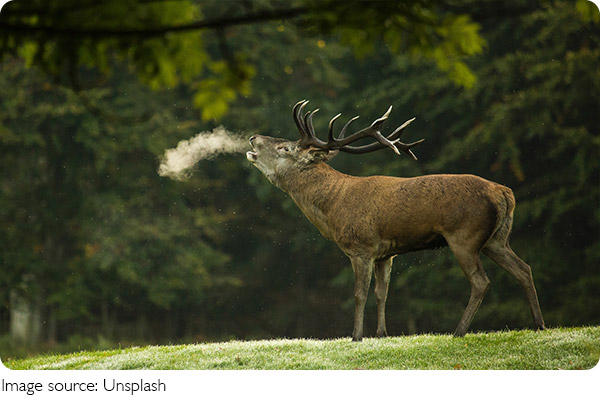
Most of the time, red deer rely on posture, scent, and quiet calls rather than constant noise. Body angle, ear direction, and spacing between individuals all carry meaning inside a herd. During certain seasons, deeper vocal sounds may appear, but daily life remains mostly quiet.
Watch for these signals:
Head lifting
Ear turning
Still group stance
A simple observation exercise is to remain still for several minutes if deer are visible far away. Often one animal will raise its head first, followed by others. This shared reaction shows how awareness spreads through the group without any obvious signal.
Seasonal Movement and Shelter
Red deer adjust their location throughout the year. Warmer months often bring them to open feeding areas, while colder periods encourage movement toward sheltered woodland. This shifting pattern helps conserve energy and maintain access to food.
Key seasonal strategies include:
Summer grazing grounds
Autumn movement
Winter shelter
If you enjoy nature walks, visiting the same trail in different seasons can reveal these changes. A meadow that feels empty in midwinter may hold clear hoof prints or resting marks, showing that deer still pass through even when rarely seen.
The Calm Rhythm of Herd Life
Living in groups offers protection and shared awareness. Herd members space themselves so each individual can watch a different direction. Young deer learn routes, feeding spots, and safe resting places simply by staying close to experienced adults.
You may notice patterns such as:
Loose group spacing
Shared movement
Quiet resting periods
Spending time observing from a respectful distance reveals how unhurried herd life feels. Minutes pass with almost no motion, then the entire group shifts direction together as if guided by a silent agreement. This calm coordination is one of the most striking parts of their behavior.
Watching red deer encourages a slower way of seeing the natural world. Nothing about them is rushed—their steps, their feeding, even their yearly changes unfold with steady patience. Moments like these remind us that not every rhythm needs to be fast to be meaningful. Sometimes the quiet presence of a grazing animal in soft morning light is enough to make the entire landscape feel more peaceful.