Red Fox Hidden Secrets

Chandan Singh
| 09-02-2026
 · Animal team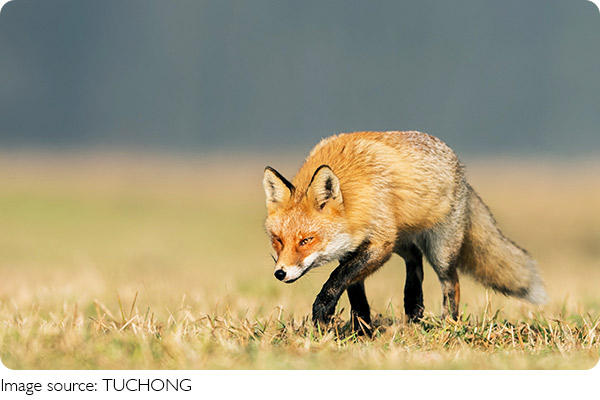
A flash of orange slipping between tall grass can disappear so quickly you might wonder if you imagined it. The red fox lives close to human spaces yet remains mostly unseen, moving with patience and careful timing. Watching one, even for a few seconds, reveals a world shaped by sharp senses, quick thinking, and quiet confidence.
These small predators may look delicate, but their daily lives are filled with clever strategies that help them thrive in changing environments.
Sharp Senses Guide Every Move
A red fox depends heavily on hearing and smell. Large upright ears catch faint rustling sounds beneath leaves or snow, while a sensitive nose tracks scent trails across long distances. Together, these senses allow the fox to locate food it cannot even see.
Three sensory strengths stand out:
Precise hearing
Powerful smell
Night awareness
For example, a fox searching in a quiet field may suddenly leap straight upward and land front paws first. This behavior happens when it detects tiny movement below the surface. If you ever walk outdoors at dusk, pause and listen for soft rustling in grass. Even without seeing a fox, noticing these subtle sounds helps you imagine how it experiences the landscape.
The Famous Silent Pounce
One of the most fascinating red fox behaviors is its high, curved jump used to catch small prey. The fox listens carefully, measures distance, then springs into the air before landing with surprising accuracy. Timing matters more than speed.
This hunting style includes:
Careful listening
Sudden leap
Exact landing
You can observe a similar skill in playful pets using toys hidden under blankets. The pause before movement shows intense focus. In nature, that same patience allows the fox to succeed without wasting energy. Watching videos in slow motion can make this movement easier to understand step by step.
A Tail With More Than Beauty
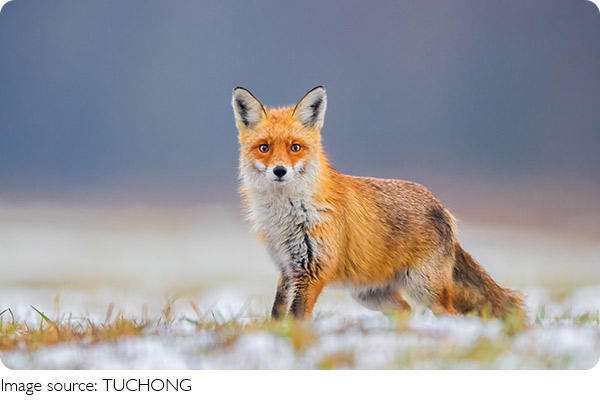
The long, bushy tail of a red fox is not only decorative. It plays several practical roles in daily survival. The tail helps with balance during sharp turns, provides warmth when curled around the body during rest, and even signals mood to other foxes.
Key tail functions include:
Balance support
Cold protection
Silent signaling
On a cold night, a resting fox often wraps its tail across its nose like a soft blanket. If you enjoy wildlife observation, try sketching this curled sleeping posture from a photograph. Small details like tail position reveal how animals adapt physically to their environment.
Surprisingly Flexible Diet
Red foxes are opportunistic feeders, meaning they adjust food choices based on what is available. Their meals can include small animals, insects, fruits, and plant material. This flexibility is one reason they live successfully in forests, grasslands, and even near towns.
Common food strategies are:
Seasonal variety
Careful searching
Food hiding
Foxes sometimes store extra food in shallow ground caches to eat later. You can see a mild version of this behavior when a pet hides treats for future use. This simple habit shows planning ability rather than random feeding.
Quiet Communication Between Foxes
Although often seen alone, red foxes do communicate using soft sounds, scent marks, and body posture. High-pitched calls may appear during certain seasons, while everyday interaction stays subtle and calm.
Important signals include:
Scent marking
Soft vocal sounds
Posture changes
If you walk the same nature trail regularly, you might notice repeated scent marks on rocks or plants. These invisible messages help foxes avoid conflict and understand territory boundaries without direct meetings.
Adapting to Human-Altered Spaces
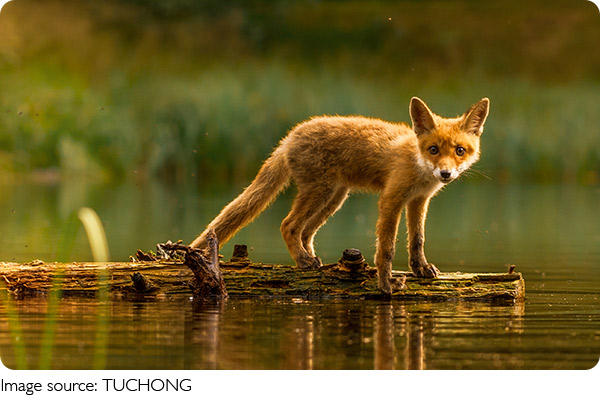
One remarkable trait of the red fox is its ability to live near human activity while staying cautious. It often moves during late evening or early morning when surroundings are quieter. This schedule reduces risk and increases access to food.
Adaptation habits include:
Night movement
Hidden resting spots
Quick escape routes
To better appreciate this behavior, try stepping outside just before sunrise in a calm neighborhood. Even if no fox appears, noticing the stillness of that hour helps explain why many wild animals choose this time to travel safely.
The red fox carries an air of quiet intelligence wherever it goes. Nothing in its movement is rushed or careless. Each step, pause, and glance reflects awareness of a complex world filled with opportunity and risk. Catching even a brief glimpse can change how an ordinary field or woodland path feels, turning it into a place where patience and subtle skill shape survival every single day.