The Secret Life of Squirrels

Raghu Yadav
| 06-01-2026
 · Animal team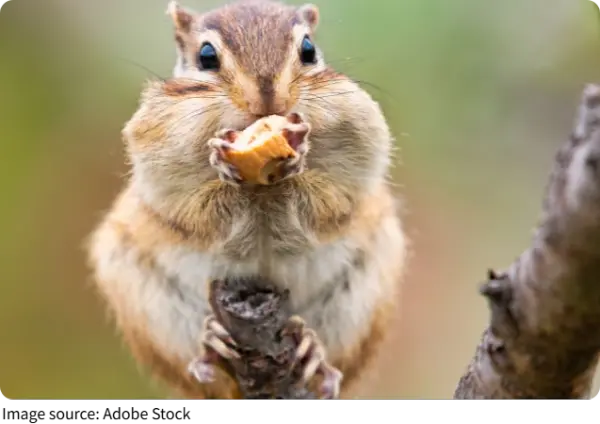
One morning, I paused on the sidewalk because a squirrel suddenly froze on a tree trunk, its tail twitching like a nervous signal.
It looked straight at me, decided I wasn't a threat, then scampered upward in an instant.
Moments like that remind you how closely we live beside these tiny acrobats, yet most of us barely think about how they survive, plan, and adapt.
How to Recognize a Squirrel's Daily Routine
Constant movement
Squirrels always seem busy. They dash across lawns, leap between branches, and pause only long enough to assess what's around them. If you watch closely, you'll notice patterns: morning collecting trips, midday resting, and another burst of activity later on.
Tail communication
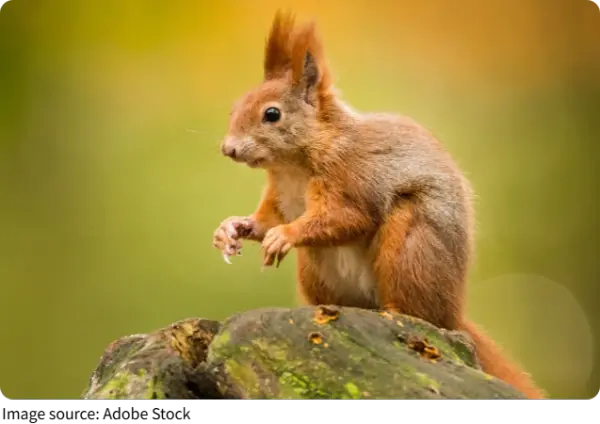
That fluffy tail isn't just decoration. It helps with balance, temperature control, and even signaling. Quick flicks can warn others of danger, while relaxed tails usually mean calm surroundings.
Tree highways
Squirrels prefer to stay off the ground when possible. Branches act like highways that let them move quickly without attracting predators.
Actionable tip: pick a tree in your neighborhood and watch it for ten minutes at the same time each day. You'll start recognizing repeat visitors and noticing their routines.
What They Eat and Why They Bury Food
Season-based choices
Squirrels eat nuts, seeds, fruits, and sometimes fungi. In late summer and fall, they focus on food that stores well for colder months, especially items with hard shells.
Food caching
They don't just hoard in one place. Instead, they create many small storage spots. This “scatter hoarding” helps ensure that even if one stash is lost, others remain.
Remarkable memory
They use spatial memory and even visual markers to relocate hidden food. You'll sometimes see them pretending to bury something to confuse competitors.
Actionable tip: If you enjoy feeding wildlife, leave out natural items like unsalted nuts and observe from a distance. Avoid processed food, and don't feed too often — you want to supplement, not replace, their natural habits.
The Acrobatics Behind Their Movement
Climbing grip
Sharp claws and rotating ankle joints allow squirrels to run headfirst down trees. It looks risky, but they're built for it.
Jumping strategy
They judge distances carefully before leaping. The tail works like a tiny parachute, helping stabilize mid-air movement.
Problem solving
Squirrels are fantastic at figuring out routes, obstacles, and access points. You may have seen them puzzle out bird feeders like furry engineers.
Actionable tip: If you want to squirrel-proof your yard, don't rely on one solution. Combine distance, height, and barriers — they learn quickly and adapt even faster.
How Squirrels Shape Their Environment
Unintentional planting
Many buried seeds are never recovered, which means squirrels actually help forests regenerate. Some trees exist in large part thanks to these tiny gardeners.
Food web role
They're a vital food source for larger wildlife, sitting right in the middle of natural food chains.
Soil turnover
Digging and burying aerates the ground, which supports healthier plant growth.
Actionable tip: Plant native trees and shrubs in your yard. You'll provide natural food and shelter while supporting broader ecosystems.
Living Alongside Squirrels in Towns and Cities
Easy adapters
Squirrels thrive in parks, suburbs, and city neighborhoods because trees, gardens, and human leftovers all provide opportunity.
Human-squirrel boundaries
Problems usually happen when squirrels associate people with unlimited food. Keeping a natural distance helps everyone stay safe.
Nesting habits
They build leaf nests high in trees or use tree hollows. In winter, nests become thick, layered shelters that trap warmth.
Actionable tip: seal attic openings and roof gaps if you live near tall trees. Do this before nesting season to prevent conflicts later.
Watching Squirrels the Right Way
Respect their space
They may look tame, but they're still wild animals. Sudden movements or loud noises can cause serious stress.
Observe, don't interfere
If you see a young squirrel alone, it doesn't always mean it's abandoned. Parents may be nearby, gathering food.
Be patient
The best observations come when you stay quiet long enough for squirrels to forget you're there.
Actionable tip: bring a notebook and record behaviors you notice — feeding times, movement paths, interactions. Over weeks, patterns will emerge.
There's something grounding about watching a squirrel go about its day, racing from branch to branch like the trees are a playground built just for it. When you slow down enough to notice, you realize how much life and planning happen right above your head. And maybe that small shift in attention is the real gift — remembering that the world is full of tiny stories, happening quietly while we hurry past.