Hanoi: Top Things to Do!

Ethan Sullivan
| 06-01-2026
 · Travel team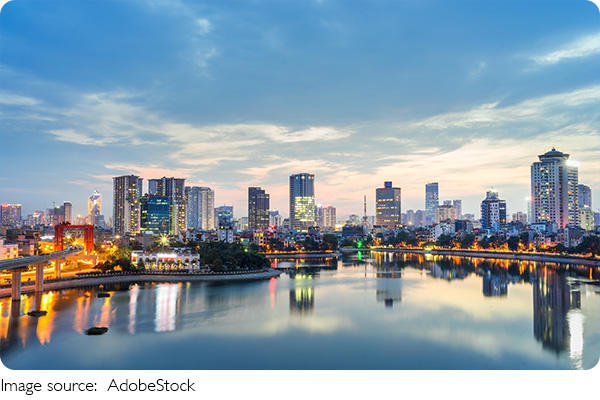
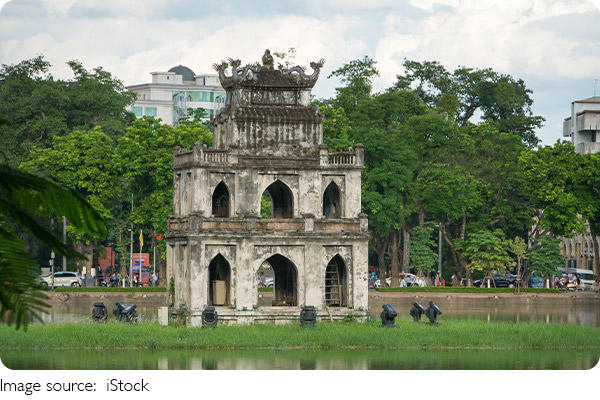
Hanoi, the capital of Vietnam, is often associated with famous landmarks such as Hoan Kiem Lake and the Old Quarter.
While these places are worth visiting, the city holds many lesser-known experiences that reveal its deeper culture, daily life, and quiet charm.
This guide focuses on meaningful activities beyond the usual tourist trail, offering budget-friendly options, practical travel tips, and detailed guidance to help travelers experience Hanoi in a more authentic way.
1. Explore Local Neighborhood Markets
Instead of crowded central markets, visit neighborhood markets where locals shop daily.
How to Get There:
Most local markets are accessible by taxi or ride-hailing services. Short rides within the city usually cost $2–$5. Public buses are even cheaper, often under $1 per ride.
Entrance Fee: Free
Best Time to Visit: Early morning between 6:00 AM and 9:00 AM, when vendors are most active and fresh produce arrives.
Travel Tip: Carry small bills and walk slowly. These markets are lively but welcoming, and observing local routines is part of the experience.
2. Discover Hidden Temples and Pagodas
Hanoi is filled with small temples tucked inside residential areas. Places like Kim Lien Pagoda or Quan Su Pagoda's quieter surroundings offer peaceful spaces away from crowds.
How to Get There:
Most temples are reachable by taxi or bicycle. Bicycle rentals typically cost $5–$8 per day.
Entrance Fee: Usually free or donation-based (around $1–$2).
Best Time to Visit: Early morning or late afternoon for a calm atmosphere and comfortable temperatures.
Travel Tip: Dress modestly and remain quiet. These sites are active places of worship for local people.
3. Walk Along Long Bien Bridge and Riverside Areas
Long Bien Bridge is not just a crossing point but a symbol of Hanoi's resilience and history. Walking across the bridge provides views of the Red River, urban farms, and railway tracks used by daily commuters.
How to Get There: Located near the Old Quarter, it can be reached on foot or by taxi for $2–$3.
Entrance Fee: Free
Best Time to Visit: Sunrise or late afternoon offers cooler weather and softer light.
Travel Tip: Continue beyond the bridge to explore riverside farming communities, where locals grow vegetables on fertile riverbanks.
4. Join a Local Craft or Cooking Workshop
Participating in hands-on activities allows travelers to connect with Hanoi's cultural traditions. Workshops focusing on Vietnamese crafts, home-style cooking, or calligraphy are often run by local families or small studios.
How to Get There: Most workshops are within the city and reachable by taxi or bus.
Cost: Workshops typically range from $20–$40, including materials and instruction.
Best Time to Visit: Late morning or early afternoon sessions are common and allow enough time for relaxed learning.
Travel Tip: Choose small-group workshops for a more personal experience and better interaction with instructors.
5. Visit Lesser-Known Museums
Hanoi has several museums that receive fewer visitors but provide meaningful insight into Vietnamese life and history.
Vietnam Museum of Ethnology
This museum focuses on the country's many ethnic communities, showcasing traditional houses, clothing, and customs.
How to Get There: Taxi from central Hanoi costs about $5–$7.
Entrance Fee:Approximately $2–$3.
Best Time to Visit:Weekday mornings for a quiet experience.
6. Enjoy Green Spaces Like West Lake Paths
West Lake is popular, but many visitors stay near cafés. Walking or cycling the less-developed paths reveals temples, gardens, and lakeside neighborhoods.
How to Get There:A taxi ride from central areas costs $3–$6.
Cost: Free, unless renting a bicycle ($5–$8 per day).
Best Time to Visit: Early morning or sunset when locals gather for exercise.
Travel Tip: Bring water and walk at a relaxed pace to enjoy the scenery.
Best Time to Visit Hanoi
The best months to explore Hanoi comfortably are October to April, when temperatures are milder and rainfall is lower. Visiting during weekdays helps avoid crowds and keeps costs lower.
Hanoi offers far more than its famous landmarks. By exploring neighborhood markets, hidden temples, riverside paths, and local workshops, travelers gain a deeper appreciation of the city's rhythm and traditions. With thoughtful planning and curiosity, Hanoi becomes a destination rich in history and unforgettable everyday moments.