Mainz, Beyond the Obvious

Liam Reilly
| 16-01-2026
 · Travel team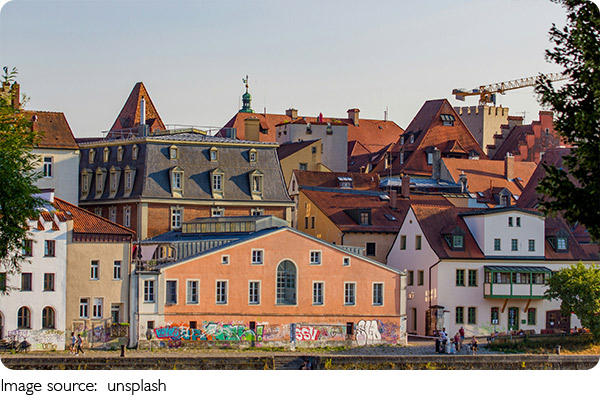
Friends, picture cobbled lanes opening onto lively squares, a riverside promenade with endless views, and museums that span Roman shipbuilding to world‑changing print.
Mainz is compact, walkable, and easy to budget: transit is simple, entries are fair, and the best streets bunch together around the center. Use this clear, price‑rich guide in dollars to plan a relaxed day or weekend.
Old squares
Start at Markt and the adjoining lanes for façades in soft colors, a sandstone column, and weekly produce stalls. Arrive Tuesday, Friday, or Saturday morning for the market; budget $5–$10 for picnic snacks and $3–$6 for coffee and a pastry. Spend 45–60 minutes, then slip into Kirschgarten's half‑timbered postcard corner for photos and a terrace break.
Gutenberg hub
Step into the city's printing heritage with early movable type, historic presses, and beautifully bound volumes. Typical entry runs $7–$14; allow 60–90 unrushed minutes. Ask about short live demos, then browse the shop for compact gifts like postcards and facsimiles ($2–$12). It pairs well with the nearby main square for an easy loop.
State museum
At Landesmuseum, galleries sweep from prehistory to contemporary design in a bright, modernized space. Tickets usually cost $6–$12; plan 60–90 minutes. Highlights include Gothic and Renaissance art, refined decorative pieces, and finely crafted furniture. Stow a light jacket in the cloakroom (often free), and keep small bills for the café.
Roman boats
The Museum of Ancient Seafaring exhibits late‑antique river craft found near the Rhine, with full‑scale reconstructions and models. Admission typically lies between $5–$10; budget 45–75 minutes. The industrial hall venue adds atmosphere, and interpretive boards make it friendly for all ages. Combine with a riverside walk afterward.
Rhine walk
Follow the waterfront promenade from the old center for lawns, sculptures, and long views over the water. It's free, flat, and stroller‑friendly; allow 30–60 minutes. Stop for gelato ($3–$5) or a soft drink ($2–$4), and find shady benches near the red sandstone gate remnant. Sunset light is especially kind for photos.
City towers
Seek out two medieval gate towers a short walk apart on Rheinstraße for stonework, plaques, and history panels. Both are easy to view from the street in 15–20 minutes total. It's a quick, cost‑free detour that fits naturally between the center and the riverfront.
Carnival spirit
From November through winter's end, a citywide carnival season fills plazas with pop‑up events. The largest parade (Shrove Monday) draws major crowds; aim for curb space 60–90 minutes early. Viewing is free; hot snacks from nearby stands cost $4–$8. Off‑parade days bring smaller shows and witty street displays.
Stadium tour
If matchdays don't align, book a 90‑minute guided visit at the modern arena for behind‑the‑scenes access. Tours often cost $12–$18; match tickets typically range $18–$45 depending on seat and opponent. Transit links are straightforward; add $3–$6 for a local bus or tram round trip.
Market bites
For daytime grazing, look for pretzels, breads, and seasonal fruit at markets and bakeries ($1–$4 each). Order a plate of local cheese spread with crackers for $6–$10, or a simple lunch of soup and bread for $8–$12. Many cafés offer tap water on request; carry a reusable bottle for refills.
Boat options
Short Rhine cruises run seasonally from central piers with city views and commentary. Expect $12–$25 for 50–90 minutes. Bring a light wind layer; deck seats feel cooler than the embankment. Prebook on weekends in spring–fall, or buy same‑day at the kiosk on quieter weekdays.
Easy transport
From Frankfurt, regional trains take about 30 minutes; one‑way fares often fall between $8 and $14 booked ahead. In town, a single bus or tram ride is commonly $2–$3, with day passes $6–$8. Most major sights cluster within a 10–15 minute walk; save transit for the stadium or distant neighborhoods.
Good stays
Expect $70–$120 for well‑rated budget hotels or apartments, and $120–$180 for central midrange rooms. Book 3–4 weeks ahead for spring and fall weekends. Many places offer breakfast add‑ons for $8–$15; nearby bakeries soften costs with coffee‑and‑roll combos for $4–$6.
Sample day
09:00 Market stroll and coffee on the main square. 10:00 Printing museum visit. 11:30 Kirschgarten photos and a terrace snack. 12:30 State museum. 14:00 Riverside walk and gelato. 15:00 Roman boats museum. 16:30 Towers loop. 18:00 Casual dinner in the old streets ($14–$24 for a main and side). 20:00 Optional short cruise if running.
Budget notes
Per person, plan $25–$45 for meals and snacks, $10–$25 for entries, and $4–$8 for local transport. Add $12–$25 for a boat ride or $12–$18 for a stadium tour. Many squares, towers, and waterfront sights are free, so balancing paid museums with open‑air time keeps costs predictable.
Conclusion
Mainz shines when walks between storybook squares link effortlessly to smart museums and a long, calming riverfront. Lykkers, which combo fits best—printing heritage with a Rhine cruise, or market nibbles plus Roman boats and towers? Share dates, pace, and a daily budget target, and a tailored route with booking links and timing windows can follow.