Majestic Great Egrets

Naveen Kumar
| 04-01-2026
 · Animal team
Imagine walking through a wetland or marsh, where the sky is painted with hues of pink and orange at sunset.
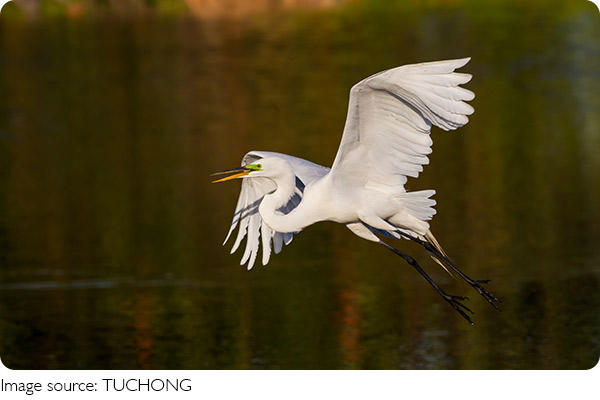
Suddenly, you spot a tall, white figure gliding gracefully across the water. It's the Great Egret—an elegant, striking bird known for its beauty and behavior.
With their long, slender necks and vibrant plumage, these egrets are a true marvel of nature. But there's more to these birds than just their impressive appearance. Let's dive into what makes them so fascinating.
Physical Appearance
The Great Egret stands out in any landscape, thanks to its all-white plumage, which gives it a graceful, almost ethereal look. Their long, sharp beaks and striking yellow color add to their visual appeal. But perhaps the most impressive part of their appearance is their neck—long and serpentine, giving them a regal air.
Here's why their appearance matters:
Mating Display: During mating season, the Great Egret's plumage becomes even more beautiful. Long, delicate plumes, known as "nuptial plumes," fan out from the back of their heads. This visual display is used to attract mates and is one of the bird's most remarkable features.
Camouflage: Despite their striking white feathers, egrets are surprisingly effective hunters. Their plumage blends in perfectly with the light-colored wetland environment, helping them stalk their prey undetected.
Habitat and Range
Great Egrets are incredibly adaptable and can be found in a variety of environments. From marshes and wetlands to coastal areas and even riverbanks, they thrive where there is shallow water rich in food. These birds are widespread, found across much of the world, with their presence stretching from North America to Africa, Europe, and Asia.
Key Habitat Characteristics:
Wetlands: They thrive in areas that are abundant in fish, frogs, and invertebrates—perfect for feeding.
Shallow Water: Egrets are commonly seen wading through shallow water, where they can easily spot their prey.
They are migratory in some areas, flying long distances to find food or more favorable weather conditions. This migration helps them avoid cold winters while ensuring they always have access to their preferred feeding grounds.
Feeding Habits
What makes the Great Egret an exceptional hunter is its method of stalking prey. Unlike birds that actively chase after food, egrets are patient, standing still in the water and waiting for fish to come close enough. They use their sharp beaks to capture their prey in a quick, calculated motion.
Feeding Techniques:
Stalking: Egrets move slowly and carefully through the water, often standing still for long periods. This stealthy behavior helps them catch fish, frogs, or small reptiles.
Opportunistic Eating: Great Egrets will take advantage of any food sources in their environment, and they're not above feeding on small mammals or even other birds if the opportunity arises.
Their diet largely consists of small fish, frogs, and invertebrates, but they will also eat insects and even small mammals when other food is scarce.
Reproduction and Family Life
The mating season for the Great Egret is a spectacle to behold. During this time, males engage in impressive courtship displays, fanning their plumage and calling out to females. Once a mate is chosen, the female lays a clutch of eggs, which both parents take turns incubating.
Family Dynamics:
Parental Care: After the eggs hatch, both parents work together to feed and protect the chicks. The parents use their long beaks to catch fish and bring it back to the nest for their young.
Chick Development: The chicks are born with their eyes closed but soon grow into the majestic creatures they are, often taking their first flights around 8 weeks of age.
This teamwork between parents ensures that the young survive and grow into strong, independent birds.
Conservation Status
While Great Egrets were once hunted nearly to extinction for their feathers, their population has recovered thanks to conservation efforts. The bird's stunning plumage made it a target for the fashion industry in the late 1800s and early 1900s. However, due to legal protections, the numbers of Great Egrets have steadily increased in recent decades.
Conservation Efforts:
Protected Areas: Many wetlands where Great Egrets live are now protected by conservation organizations, ensuring that their habitats remain intact.
Laws and Regulations: Regulations prohibiting the hunting of these birds for their feathers have allowed their populations to recover.
Their status has improved, and the Great Egret is now considered a species of "Least Concern" by the International Union for Conservation of Nature (IUCN).
Why Great Egrets Matter
The Great Egret is more than just a beautiful bird; it plays an important role in maintaining healthy ecosystems. By controlling populations of small fish and invertebrates, egrets help balance the food chain in wetlands. Their presence also indicates the health of the environment. Healthy populations of Great Egrets often signal a thriving, sustainable ecosystem.
Key Takeaways:
Ecological Importance: Great Egrets contribute to controlling pest populations, maintaining the balance of local ecosystems.
Symbol of Conservation: The comeback of the Great Egret is a powerful symbol of successful conservation efforts.
Conclusion
Seeing a Great Egret glide across the water or standing perfectly still while hunting is a reminder of the intricate relationships that exist in nature. These birds, once nearly driven to extinction, have made a remarkable recovery, and they now represent the strength of wildlife conservation. By continuing to protect their habitats and ensuring that they have the resources they need, we can help ensure that the Great Egret will continue to grace our wetlands for generations to come.