Grey Crowned Crane

Nolan O'Connor
| 04-01-2026
 · Animal team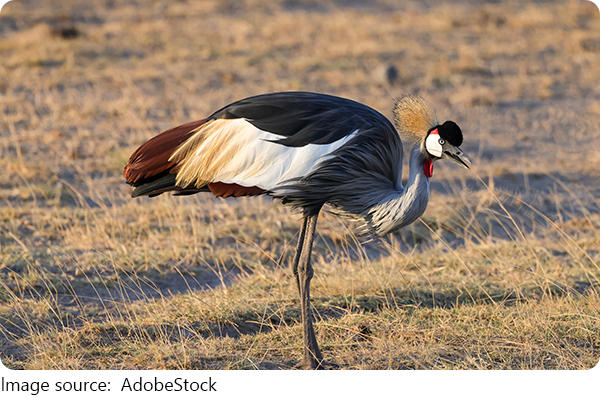
Picture this: you're walking through a wide-open grassland, the golden sun casting long shadows across the plains.
Suddenly, you hear the soft rustling of feathers, and there it is— the majestic grey crowned crane, standing tall and elegant.
With its striking golden crown, this bird is not only one of nature's most beautiful creatures but also one of the most fascinating in terms of behavior and adaptation. Let's dive deeper into the life of the grey crowned crane and discover what makes it so special.
Physical Characteristics: Nature's Crown
The grey crowned crane's appearance is what truly makes it unforgettable. From its delicate feather patterns to the bold golden crown, it's a bird designed to turn heads.
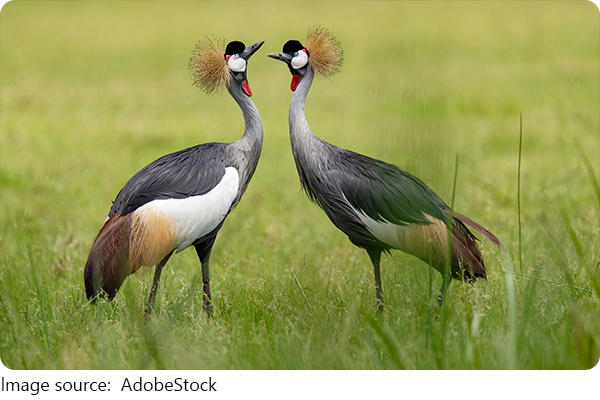
Golden Plumage: One of the first things you notice about the grey crowned crane is its brilliant golden crown. These crown feathers are actually composed of long, stiff plumes that radiate outwards, giving the bird a regal appearance. This golden display is not only stunning but plays a role in attracting mates during the breeding season.
Distinctive Body: The body of the grey crowned crane is a mix of grey, white, and black feathers. The deep grey of its body contrasts with the bright white of its belly and the bold black wing tips. The bird's long, slender neck and legs add to its elegant posture, making it appear taller and more majestic.
Size and Stature: The grey crowned crane is a large bird, standing about 1 meter tall with a wingspan of nearly 2 meters. Its size and graceful movements give it a sense of grandeur, especially when it takes flight, with those long wings cutting through the air.
This beautiful blend of colors and intricate features makes the grey crowned crane one of the most captivating birds in the world.
Habitat and Range: The Plains and Wetlands
The grey crowned crane is found in various habitats, each serving as a key element for its survival. Understanding where these cranes live gives insight into their behavior and how they interact with their environment.
Grasslands and Wetlands: These cranes are typically found in open, wetland areas such as marshes, flooded grasslands, and savannas. They thrive in regions where there is plenty of tall grass and shallow water, ideal for feeding and nesting. The water provides both nourishment and protection from predators.
Distribution: The grey crowned crane is native to parts of sub-Saharan Africa, primarily in countries like Uganda, Kenya, and Tanzania. Their range stretches across several East and Southern African countries, with some populations migrating to different areas in search of food and suitable breeding grounds.
Seasonal Movement: These cranes are semi-nomadic, moving seasonally depending on food availability and breeding cycles. This ability to adapt to changing environments allows them to survive in regions that may experience variable weather patterns.
By living in open areas with access to both water and grass, the grey crowned crane has evolved to thrive in a range of diverse environments.
Diet and Feeding Habits: A Balanced Menu
The grey crowned crane's diet is just as diverse as its habitat. Its foraging habits are a mix of both ground and water-based feeding, with a wide variety of food sources.
Vegetation and Insects: Grey crowned cranes feed on a range of plants, including grasses, seeds, and tubers. They also consume insects like locusts, beetles, and grasshoppers. This omnivorous diet helps provide them with a balanced intake of both plant-based and protein-rich foods.
Amphibians and Small Reptiles: These cranes are also known to catch small amphibians, such as frogs, and small reptiles. Their sharp beaks help them catch prey with precision, allowing them to extract sustenance from various sources in their environment.
Water Feeding: In wetland areas, they forage for food by probing shallow waters with their beaks. They can also dip their heads into the water to catch fish or other aquatic creatures, taking advantage of the abundant food found in wetland ecosystems.
The grey crowned crane's ability to adapt its diet based on available resources ensures its survival in a variety of habitats.
Reproduction and Nesting: A Family Affair
Breeding is a crucial aspect of the grey crowned crane's life cycle, and their nesting behavior reveals the importance of family bonds in this species.
Courtship Displays: During mating season, males perform elaborate courtship displays to attract females. These displays often include dancing, bowing, and calling out, all of which showcase the male's strength and vitality. Males also present food offerings to females, further signaling their readiness to mate.
Nesting: Once paired, the female lays 2-3 eggs, which both parents take turns incubating. The nest is typically built in tall grasses near water, providing protection and access to food. Both parents are highly involved in raising the young, and the family remains together until the chicks are ready to fly.
Parental Care: After hatching, the chicks are fed regurgitated food and protected by both parents. As they grow, they begin to explore their environment, learning to forage and strengthen their legs for flight. The parents play an active role in teaching their young how to thrive in their environment.
The grey crowned crane's commitment to its young is a testament to the strong family bonds that help ensure the survival of the next generation.
Conservation Status: A Species at Risk
Despite its beauty and resilience, the grey crowned crane faces several threats to its survival. Conservation efforts are essential to ensuring the continued existence of this majestic bird.
Habitat Loss: As human populations grow, wetlands and grasslands—vital habitats for the grey crowned crane—are being drained or transformed into agricultural land. This loss of habitat is one of the biggest threats to the crane's survival.
Poaching and Illegal Trade: Like many other species, the grey crowned crane is at risk from illegal hunting and the pet trade. These activities, along with habitat destruction, have led to a decline in crane populations in certain areas.
Conservation Efforts: Conservation programs have been put in place to protect the grey crowned crane. These efforts focus on preserving wetland areas, reducing poaching, and raising awareness about the importance of protecting this magnificent species. By supporting sustainable land management practices and wildlife protection laws, these efforts aim to stabilize crane populations.
Ongoing conservation efforts are crucial to ensuring that the grey crowned crane can continue to thrive in its natural habitats.
The grey crowned crane, with its regal appearance and strong family bonds, is a symbol of the beauty and fragility of nature. While it faces challenges in the wild, efforts to protect its habitats and raise awareness about its conservation needs are key to ensuring this species' survival. As you observe the elegance of this bird, remember that every step we take toward conservation can help secure a future for these incredible creatures.