Why Zebras Are Unique
Finnegan Flynn
| 02-01-2026
 · Animal team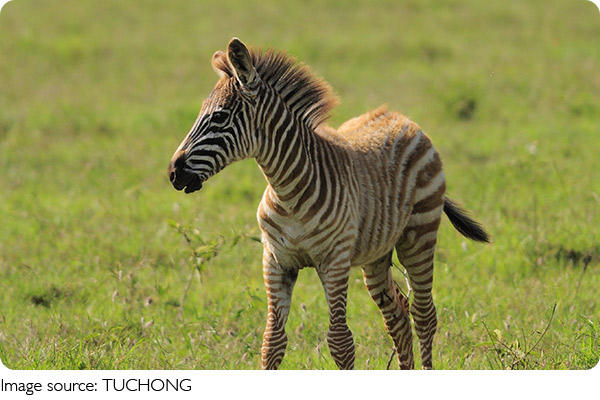
If you've ever seen a zebra in the wild, you've probably been captivated by its black-and-white stripes.
They're one of nature's most striking features, almost like the animal is wearing a stylish, custom-designed coat.
But there's more to these fascinating creatures than just their appearance. From their social dynamics to their survival tactics, zebras are not just beautiful animals—they're also incredibly smart and well-adapted to life in the wild.
Distinctive Stripes: More Than Just Fashion
Zebras' black and white stripes have always intrigued scientists and animal lovers alike. But have you ever wondered Why they have them? It's not just a fashion statement; their stripes serve several important purposes.
Camouflage in the Wild: While you might think that bright stripes would make an animal stand out, they actually help zebras blend in with their environment. The stripes confuse predators, especially in grassy or wooded areas, breaking up the zebra's shape and making it harder to spot.
Thermoregulation: The contrasting black and white stripes help zebras manage their body temperature. The black stripes absorb heat, while the white ones reflect it, creating air currents that keep the animal cool. This helps them survive in hot, dry environments.
Social Bonding: The stripes also play a role in social interaction. Zebras can recognize each other by their unique stripe patterns, which are as distinctive as human fingerprints. This helps them identify members of their herd and strengthen their social bonds.
Zebras' stripes are a perfect example of how nature has tailored their bodies to suit their environment and needs.
Social Structure: Herd Life and Communication
Zebras are social creatures, living in tight-knit groups called herds. Their social structures are complex and offer valuable lessons in cooperation and communication.
Hierarchical Society: In a zebra herd, there's a strict hierarchy, with a dominant stallion leading the group. The other males and females follow the leader's cues when it comes to movements and grazing. The herd's social order helps maintain stability and reduce conflict.
Strong Family Bonds: Female zebras (mares) form strong family units. They often stick together, with close relationships between mothers, daughters, and younger members. This tight bond provides protection and helps them raise their young in a secure environment.
Communication Methods: Zebras communicate through a variety of vocalizations, body language, and even head movements. They make sounds like barks and snorts to alert each other of danger or to express excitement. When threatened, zebras often stomp their hooves as a warning, and they rely on visual signals to stay in sync during group movements.
By living in herds, zebras can protect each other from predators and ensure the survival of their young.
Survival Strategies: Staying One Step Ahead
Living in the wild means constantly being on the lookout for predators. Zebras have developed some remarkable survival tactics that help them stay one step ahead.
Running and Dodging: Zebras are fast runners, capable of reaching speeds of up to 65 kilometers per hour. This makes them difficult for predators, like lions, to catch. But speed isn't their only trick. Zebras also have the ability to change direction quickly, making it hard for predators to predict their movements.
Kicking and Biting: When cornered, zebras will defend themselves fiercely. They use their powerful legs to deliver strong kicks to predators, often targeting the face or head. They can also bite, using their strong teeth to deter attackers.
Constant Vigilance: Zebras are always alert, constantly scanning their surroundings for threats. Even when grazing, one zebra is always on the lookout, keeping an eye out for predators. Their heightened awareness is a critical part of their survival strategy.
By using a combination of speed, agility, and defense tactics, zebras are able to evade most predators in their habitats.
Reproduction and Family Life: Raising the Next Generation
Zebras are devoted parents, and the way they raise their young is a testament to their strong social structure and instincts.
Gestation and Birth: Female zebras carry their young for about 12 months before giving birth. Typically, a mare will give birth to one foal at a time. Newborn zebras, known as foals, are able to stand and walk within an hour of birth, which is crucial for keeping up with the herd.
Parental Care: Both the mother and the father play active roles in the foal's development. Mothers nurse their young, while fathers help protect them. Foals are usually kept close to their mothers for the first few months of their life, ensuring they receive constant care and protection.
Learning from the Herd: Young zebras learn important survival skills by observing the adults in their herd. From foraging to avoiding predators, the foals pick up essential knowledge that will help them thrive as they grow older.
The family-oriented structure of zebra society helps ensure that the next generation is raised in a safe and nurturing environment.
Conservation Status: Protecting Zebras for the Future
Despite their resilience, zebras face threats from habitat loss and poaching, making conservation efforts essential.
Habitat Destruction: As human populations expand, zebras' natural habitats are being encroached upon by agriculture, urbanization, and infrastructure development. This leads to a loss of grazing land and water sources, which are vital for zebra survival.
Poaching and Hunting: While zebras are not as heavily targeted as other species, they are still at risk from poaching for their hides. Their beautiful striped coats make them targets for illegal hunting, which puts pressure on already vulnerable populations.
Conservation Efforts: There are ongoing conservation programs that focus on protecting zebra habitats and reducing human-wildlife conflict. Many national parks and wildlife reserves work to provide safe environments for zebras, ensuring they have access to food, water, and protection from poaching.
By supporting conservation initiatives and raising awareness about the importance of protecting zebras, we can help ensure that these remarkable creatures continue to thrive.
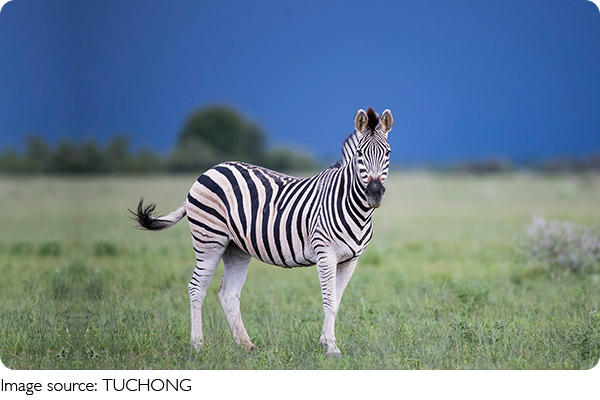
Zebras are more than just beautiful animals with unique stripes; they are social, intelligent creatures with fascinating survival strategies. From their tight family bonds to their impressive defense mechanisms, zebras embody the essence of resilience and cooperation in the animal kingdom.
As we continue to learn more about these incredible creatures, we must also do our part in preserving their habitats and ensuring their future in the wild.