Cities Are Steering Cars

Caroll Alvarado
| 15-12-2025
 · Automobile team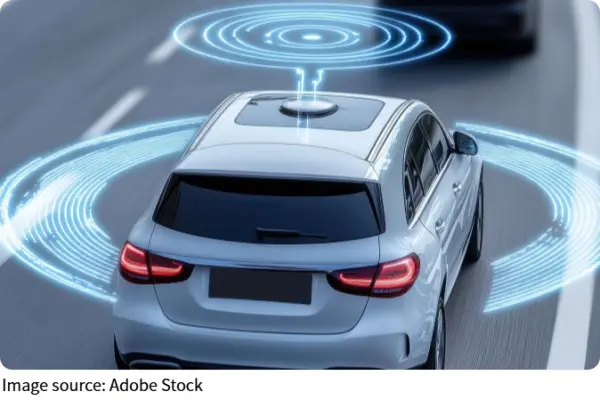
Ever sat at a red light and noticed the pedestrian countdown syncing perfectly with traffic flow? Or felt your navigation app reroute you in seconds because of a sudden road closure?
Those aren't random conveniences—they're signs of cities getting smarter. And as cities upgrade, they're not just influencing drivers. They're putting real pressure on automakers to rethink what a car even is.
Why Smart Cities Change the Game
Smart cities aren't just about flashy sensors or futuristic streetlights. They're about creating an ecosystem where infrastructure, data, and mobility work together. Roads can “talk” to vehicles. Traffic systems adjust in real time. Parking spots send availability signals. All of this reshapes the expectations people have of their cars.
For decades, automakers led the way, and cities followed—building wider roads, adding more parking, adapting to the surge of private vehicles. Now the tide is turning. Cities are setting the pace, and carmakers are scrambling to keep up.
Three Pressures Automakers Can't Ignore
• Connected infrastructure
If a city's traffic lights, toll systems, and public transport are linked through real-time data, cars can't stay blind to that world. Vehicles need to “see” beyond their sensors by tapping into city systems. That means automakers have to design vehicles capable of constant communication—V2X (vehicle-to-everything) isn't a bonus feature anymore, it's a baseline.
• Sustainability goals
Cities are under pressure to cut emissions, reduce congestion, and improve air quality. This puts direct pressure on automakers to deliver cleaner, more efficient cars. But it's not just about switching to electric. It's about software that optimizes routes, engines that adapt to traffic density, and integration with public transport to encourage hybrid commuting. Cars are no longer just machines—they're pieces in a bigger sustainability puzzle.
• User expectations shaped by city services
When people get used to seamless city apps—booking a bus ride, reserving a bike, paying a toll with one click—they expect the same from their cars. Automakers can't just sell horsepower anymore. They need to offer frictionless experiences that sync with urban living. Whether it's finding a charging station, reserving a parking space, or aligning with digital wallets, cars are expected to play nice in the city's digital ecosystem.
From Machines to Mobility Services
One of the biggest shifts is how cars are viewed—not as isolated machines, but as moving data hubs. In a city where traffic lights talk, curbside sensors send alerts, and transit is digitized, a car that doesn't integrate feels outdated.
Automakers are being pushed to evolve into mobility service providers. It's no longer enough to build vehicles. They need platforms, APIs, and partnerships with city tech. Imagine a car that doesn't just drive you across town but also tells you: “The metro is faster for this leg, and a shared scooter will get you home from the last stop.” That's not a dream—it's the new expectation.
Challenges in Keeping Up
This transformation isn't smooth. Automakers face serious hurdles:
• Legacy systems: Traditional car platforms weren't built for constant connectivity. Retrofitting them isn't simple.
• Data ownership: Who owns the data flowing between cars and cities? Automakers, drivers, or municipalities? Sorting this out is messy and politically sensitive.
• Pace of change: Cities roll out pilot projects, tech firms iterate fast, and regulations shift quickly. Car development cycles—often measured in years—struggle to keep up.
Still, ignoring these challenges isn't an option. Cities aren't slowing down, and customers notice when their cars feel like outsiders in a connected environment.
Opportunities Hidden in the Pressure
It's not all stress. Smart cities open up opportunities for carmakers willing to adapt:
• New revenue streams: Software services, subscriptions, and data-driven apps can generate income long after the car is sold.
• Closer relationships with customers: Cars that update seamlessly, sync with city services, and provide personalized recommendations become part of daily routines, not just occasional tools.
• Stronger brand positioning: Automakers that lead in integration with smart cities will stand out as innovators, not laggards.
In other words, the same pressures that feel like burdens can also be springboards for reinvention.
A Future Where Cars Follow Cities
For a century, cars defined cities. Highways carved up neighborhoods, parking garages multiplied, and public space shrank to make room for traffic. Now, cities are flipping the script. By embedding intelligence into infrastructure, they're setting the rules of the game—and cars must play along.
That red light countdown you watched wasn't just a timer. It was a glimpse of how urban intelligence is pushing cars to evolve. Automakers no longer have the luxury of setting the pace. Cities are in the driver's seat now. The question is whether carmakers will adapt fast enough to stay in the race.