Ride Safer, Worry Less

Samir
| 15-12-2025
 · Automobile team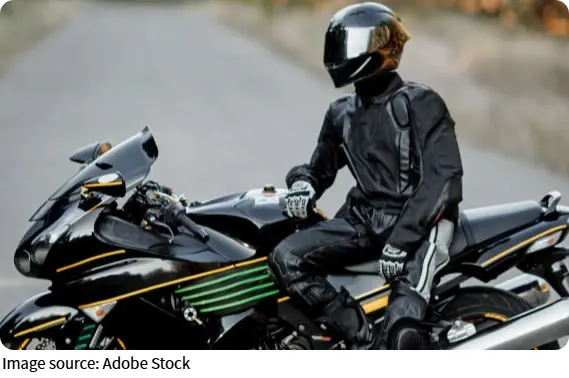
You've probably felt it before—the mix of freedom and nerves when riding a motorcycle. The wind in your face feels amazing, but a sudden car cutting into your lane can turn that joy into panic.
Riding will never be risk-free, but the way you prepare and behave on the road can make all the difference between a close call and a crash.
Gear Up Like Your Life Depends On It
It sounds obvious, but too many riders skip proper gear on short trips. A helmet is the minimum, but gloves, jackets with padding, and sturdy boots dramatically reduce injuries. Think of it this way: sliding across asphalt in jeans may look casual, but it's not forgiving. The right gear doesn't just protect you in accidents—it also protects you from weather fatigue that can cloud your focus.
Stay Visible in a Sea of Cars
Motorcycles are small, and drivers often claim they “didn't see” the rider. That means it's on you to stand out. Bright clothing, reflective strips, and always riding with your headlights on can help. Positioning matters too. Don't linger in blind spots; ride where you're clearly visible in mirrors. A little extra visibility can prevent a driver's careless lane change from becoming your worst moment.
Master Smooth Control
Jerky acceleration or hard braking is risky on two wheels. Learning smooth throttle control, steady cornering, and progressive braking gives you more margin for error when surprises pop up. Take time to practice in empty lots, especially if you're new or switching to a heavier bike. Control is the line between a confident rider and a shaky one.
Anticipate, Don't Just React
The safest riders ride defensively. That doesn't mean being scared—it means reading the road two steps ahead. Watch for cars edging toward intersections, pedestrians looking at phones, or trucks with wide turns. Assume others don't see you, and you'll naturally leave more space and plan escape routes. Being proactive keeps you from being caught off guard.
Mind the Weather and Road Conditions
Wet pavement, gravel patches, or sudden gusts can turn an easy ride into a dangerous one. Check the weather before heading out. If rain hits mid-ride, slow down and increase following distance. On curves, avoid sudden lean angles if the road surface looks sketchy. Good judgment about conditions is often what separates safe rides from accidents.
Keep Your Bike in Top Shape
A motorcycle's margin for mechanical error is slim. Regularly check tire pressure, chain tension, brakes, and lights. A worn tire or failing brake pad isn't just an inconvenience—it's a hazard that can cost you control at the worst moment. Many riders set a quick pre-ride ritual: walk around the bike, squeeze the brakes, and scan the tires. Two minutes of habit can save your life.
Control Your Own State of Mind
The road doesn't forgive distraction or fatigue. Riding tired is as risky as riding intoxicated, and even small lapses in focus can be costly. If your head isn't clear—whether from stress, lack of sleep, or anything else—it's better to leave the bike parked. On two wheels, clear focus, steady judgment, and calm reactions are your real safety net.

Why These Habits Matter
Motorcycle risks won't ever disappear. Cars will still cut lanes, the weather will still change suddenly, and roads will still surprise you. But by gearing up properly, riding visibly, keeping your bike healthy, and sharpening your mindset, you dramatically reduce the odds of disaster.
The next time you swing your leg over the seat, think of it not just as a ride, but as a pact with yourself: to enjoy the freedom without ignoring the risks. That balance—freedom with responsibility—is what keeps the joy of motorcycling alive for years, not just miles.