Tools Every Driver Needs

Chandan Singh
| 22-12-2025
 · Automobile team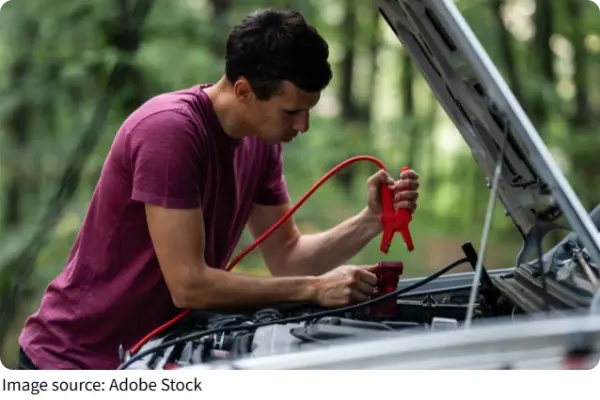
Imagine this: you're about to head out, turn the key, and the car won't start. Or maybe you hear a weird rattle, only to realize you don't even have the right tool to take a quick look.
For new car owners, the idea of fixing anything under the hood can feel overwhelming. But here's the secret: you don't need to be a mechanic to handle small problems—you just need the right basic tools.
The Core Toolkit for Any Driver
Let's start with the must-haves. These are simple, affordable tools that solve 80% of the little issues you'll face:
Tire pressure gauge
Keeping your tires at the right pressure improves fuel efficiency and safety. A digital gauge costs less than a meal out and gives instant readings.
Jumper cables or a jump starter
Dead batteries happen at the worst times. Jumper cables let you get help from another driver, while a portable jump starter means you can revive your car solo.
Basic socket and wrench set
Loose bolts and small repairs are easier when you've got a simple tool set. Even if you never wrench on your car, you'll use these for tightening battery terminals or small fittings.
Screwdrivers (flathead and Phillips)
Essential for small fixes, from removing light covers to tightening loose panels.
Jack and lug wrench
Most cars come with them, but upgrading to a sturdier version makes tire changes safer and faster.
Smart Additions That Pay Off
Once you've got the basics, a few extra items make life on the road much easier:
Tire inflator
A small 12-volt air compressor plugs into your car's outlet. It's perfect for topping up tires after a long trip or fixing a slow leak until you reach a shop.
Multimeter
This simple tool checks battery voltage and basic electrical issues. It sounds technical, but once you try it, you'll see how easy it is to use.
Flashlight or headlamp
Breakdowns never happen in broad daylight. A bright, rechargeable flashlight—or better yet, a headlamp that frees up your hands—will always come in handy.
Duct tape and zip ties
Not glamorous, but lifesavers. They can temporarily hold loose parts, secure hoses, or even keep a bumper from dragging until you get proper repairs.
Emergency Gear That Doubles as Tools
Some items aren't tools in the classic sense, but they're must-haves for safety:
First-aid kit: Small injuries can happen when handling repairs, so it's good to be prepared.
Reflective triangle or vest: If you're stuck on the roadside, being visible is as important as fixing the issue.
Work gloves: Keep your hands safe when changing a tire or checking under the hood.
How to Store Your Kit
A tool is only useful if you can find it when you need it. Use a sturdy bag or small toolbox to keep everything together in your trunk. Group similar items—like electrical tools, safety gear, and basic hand tools—in pouches so you're not rummaging around in a panic.
Three Habits That Make Tools Count
Practice before emergencies
Try using your jack and wrench to change a tire in your driveway once. The first time shouldn't be in the dark on the shoulder of a highway.
Check your kit seasonally
Make sure batteries in flashlights are charged, and tools aren't missing. It takes five minutes and saves frustration later.
Upgrade slowly
Start with the basics. Over time, as you get more confident, add specialty tools that fit your car's needs.

The Confidence Factor
Here's the real value of a beginner's toolkit: peace of mind. You may not fix every issue yourself, but having the tools means you won't feel helpless when small problems show up. Whether it's inflating a tire, jump-starting your battery, or simply tightening a loose part, you'll feel more in control.
Being a car owner isn't just about driving—it's about being ready for the little surprises along the way. A simple set of tools turns those surprises from headaches into manageable moments. So, if you're new behind the wheel, start building your kit today. Future you will be grateful the next time the unexpected happens.