Cars That Talk Back

Naveen Kumar
| 19-12-2025
 · Automobile team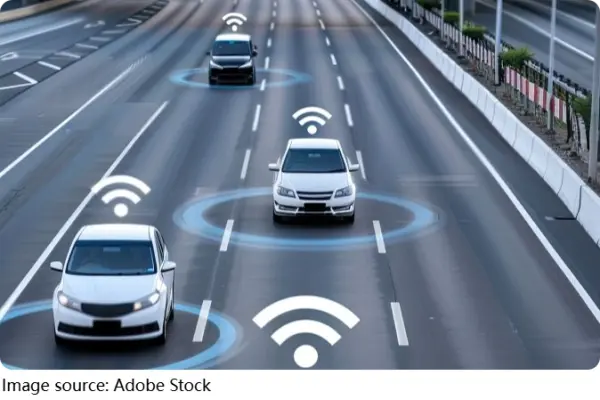
Imagine you're driving home from work. Your car alerts you that a tire is underinflated, automatically suggests the nearest service station, reserves a slot, and even applies a discount you didn't know existed.
This isn't a futuristic dream—it's the growing reality of the connected car ecosystem. And for businesses, it represents an enormous opportunity.
What Is a Connected Car Ecosystem?
At its core, the car isn't just a machine anymore—it's becoming a data hub on wheels. A connected car communicates with other vehicles, roadside infrastructure, and cloud platforms. This web of connections creates an ecosystem where automakers, software developers, telecom providers, insurers, and even retailers all have a stake.
The real value doesn't come from the hardware itself, but from the services layered on top: real-time navigation, predictive maintenance, in-car commerce, and personalized entertainment.
Revenue Beyond the Sale of Cars
Traditionally, automakers made money once—from selling a car. With connectivity, revenue streams extend throughout the vehicle's life.
• Subscription services – Drivers may pay monthly fees for premium navigation, advanced driver assistance, or entertainment bundles.
• Predictive maintenance – Real-time diagnostics allow manufacturers and dealers to sell service packages based on actual usage, not just fixed schedules.
• Insurance partnerships – Usage-based insurance, where premiums reflect how safely someone drives, becomes viable thanks to detailed telematics data.
For businesses, this means recurring income and stronger long-term relationships with customers.
Data as the New Fuel
Every connected car generates massive amounts of data: speed patterns, braking habits, routes, and even driver preferences. When anonymized and aggregated, this data is incredibly valuable.
• City planners can design better roads by understanding traffic flow.
• Retailers can target promotions when a driver is near a store.
• Fleet managers can optimize routes, cut fuel use, and reduce downtime.
Handled responsibly, this data opens up entirely new markets. For example, an energy company could predict where to build charging stations by analyzing how electric vehicles move in a city.
Challenges Along the Road
Of course, the opportunity doesn't come without obstacles.
• Privacy concerns – Drivers may hesitate to share detailed location and behavior data. Companies must prove they can protect and anonymize it.
• Standardization – Right now, different automakers and tech firms often use incompatible systems. Without common standards, scaling services becomes harder.
• Cybersecurity – Cars connected to the internet can be hacked. Ensuring robust protection is non-negotiable for public trust.
Why Timing Matters
We're at a tipping point. The rollout of 5G networks enables faster, more reliable connections between vehicles and infrastructure. At the same time, consumers are increasingly comfortable paying for digital services in other areas of life, from streaming music to fitness apps. Translating that behavior into the car is a natural next step.
Businesses that move early—whether by building platforms, forming cross-industry partnerships, or experimenting with pilot programs—will likely shape the rules of the game.
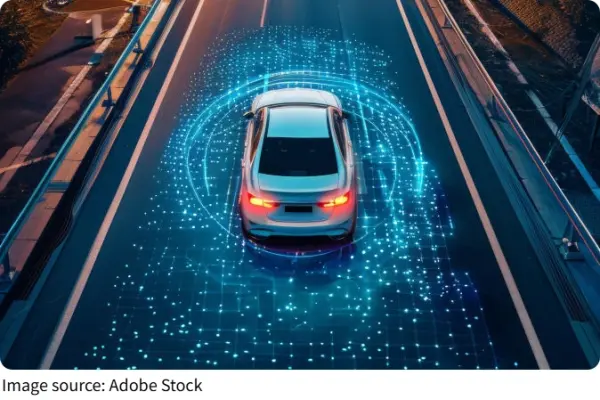
The connected car ecosystem isn't just about cars talking to each other. It's about creating a marketplace where every trip, every stop, and every mile can generate value. For companies willing to invest in technology and earn driver trust, the payoff could be enormous.
The next time your car speaks up—whether to suggest a shortcut, schedule maintenance, or remind you of an expiring coupon—remember: it's not just a feature. It's the beginning of a business model that's rewriting what it means to drive.