Self-Driving Cars

Finnegan Flynn
| 24-12-2025
 · Automobile team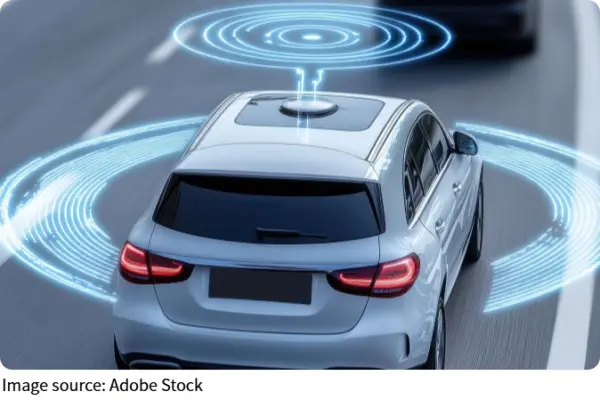
Imagine a world where you no longer need to worry about traffic, directions, or even driving itself. Instead, your car takes care of everything, from steering to navigation, and it's all powered by the internet.
Sounds like science fiction? It's actually becoming reality, with self-driving cars using advanced internet technology to become smarter, safer, and more efficient.
But how exactly does the internet fit into the autonomous driving revolution? Let's take a look.
The Role of the Internet in Autonomous Vehicles
Self-driving cars rely heavily on the internet to process data and make decisions in real-time. These vehicles need access to vast amounts of information, including traffic conditions, road closures, weather updates, and even nearby vehicles. The internet is the backbone that allows them to gather and transmit this information.
The car's sensors collect data about the environment—like the position of other cars, pedestrians, and obstacles. This information is then sent to a central computer, which processes it and makes decisions. For this system to be effective, real-time data from the internet is essential to ensure that the car can adapt to changing conditions.
For example: If there's an accident up ahead, the car can use the internet to find an alternate route in real-time, avoiding the jam and getting you to your destination faster.
Vehicle-to-Vehicle Communication
One of the most exciting features enabled by internet connectivity is vehicle-to-vehicle (V2V) communication. This system allows cars to "talk" to each other, sharing information like speed, direction, and road conditions. This communication helps to reduce accidents, improve traffic flow, and create safer driving environments for everyone on the road.
For example: If a self-driving car detects an obstacle or sudden stop, it can immediately alert other cars in the vicinity. This allows other vehicles to adjust their speed or trajectory in real-time, preventing accidents and ensuring smoother traffic flow.
This kind of real-time information sharing wouldn't be possible without the internet, which facilitates instant communication between vehicles and infrastructure.
Cloud Computing: Enhancing Autonomous Intelligence
Cloud computing plays a significant role in the development of self-driving cars. Autonomous vehicles process massive amounts of data from cameras, radar, and LIDAR sensors, which can be overwhelming for onboard computers. By offloading some of this processing to the cloud, cars can access more powerful computing resources, improving performance and reducing the load on the vehicle's hardware.
For example: A self-driving car might upload sensor data to the cloud to analyze complex situations, such as identifying pedestrians in low visibility conditions. The cloud-based system then returns insights to the car, helping it make better decisions.
This ability to tap into cloud resources means that autonomous vehicles can learn and adapt faster, with continuous updates to their software and systems.
Over-the-Air (OTA) Updates: Keeping Cars Current
Self-driving cars, like smartphones, can receive over-the-air (OTA) updates. These updates allow automakers to fix bugs, improve performance, and even introduce new features without requiring a trip to the dealership. OTA updates are powered by internet connectivity, ensuring that cars stay up-to-date and continue to improve over time.
For example: A car manufacturer might release an OTA update to improve the vehicle's navigation system based on new mapping data. This means the vehicle doesn't need to be physically serviced; the improvement happens automatically via the internet.
This is crucial for autonomous vehicles, as they need continuous updates to stay on top of evolving road conditions, regulations, and traffic patterns.
Data Privacy and Security Challenges
As self-driving cars become more reliant on the internet, concerns about data privacy and security become increasingly important. These vehicles collect and transmit massive amounts of data, including personal information about passengers, locations, and driving habits.
To ensure safety and trust, automakers must implement robust security measures to protect this data from hackers and unauthorized access. This includes encrypting communication between vehicles, using secure cloud services, and complying with data protection regulations.
For example: If a car shares data with a third-party service for traffic updates, it's essential that the data is anonymized to prevent any sensitive information from being exposed.
Security protocols must evolve alongside the technology to safeguard user data and maintain the integrity of self-driving systems.
The Future of Self-Driving and Internet Integration
Looking ahead, the integration of self-driving cars and the internet will continue to evolve. Future vehicles could become even smarter with advanced AI capabilities, enhanced V2V communication, and more robust internet connectivity. 5G networks, for example, will further improve data transfer speeds and reduce latency, making real-time communication even faster and more reliable.
For example: With 5G technology, autonomous cars could instantly download and share high-definition maps, allowing them to navigate unfamiliar areas more efficiently. This will make self-driving cars safer and more capable of adapting to changing environments.
The next few years could see self-driving cars becoming a more common sight on the roads, offering a glimpse into a future where transportation is fully integrated with the internet, safer, and more efficient.
How Can Businesses Benefit from This Integration?
If you're in the automotive or tech industries, the rise of self-driving cars presents exciting opportunities. Here's how you can leverage this shift:
Invest in IoT technology: The Internet of Things (IoT) is at the core of self-driving cars, so businesses should consider investing in IoT devices and infrastructure to support the growth of autonomous transportation.
Develop secure data solutions: As data privacy becomes more critical, businesses should look for ways to ensure secure communication and data sharing in autonomous systems.
Collaborate with automakers: If your business specializes in AI, cloud computing, or network infrastructure, collaborating with self-driving car manufacturers could help you stay ahead of the curve.
The integration of the internet with self-driving technology is setting the stage for a new era of transportation. As cars become smarter, safer, and more efficient, the role of the internet in driving this change will only grow. Whether it's through real-time data, cloud-based learning, or vehicle-to-vehicle communication, the internet is the key to unlocking the full potential of autonomous vehicles. With continued innovation, the future of driving looks not only more convenient but also safer for everyone on the road.