Charge Made Easy

Ethan Sullivan
| 24-12-2025
 · Automobile team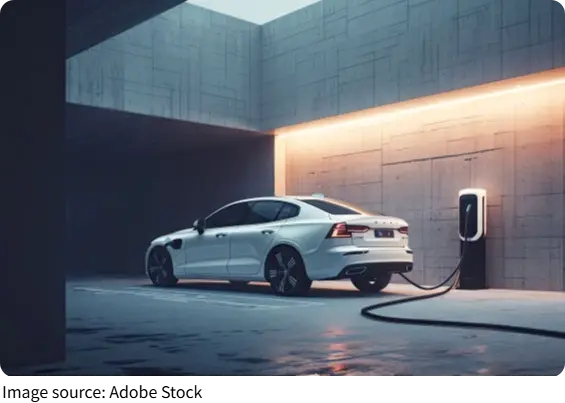
Lykkers, have you ever worried about driving a new energy car and suddenly running out of power on the road?
Many of us share this concern, especially when it comes to charging convenience, station distribution, and long-distance travel.
Today, let’s see how charging for electric vehicles (EVs) has improved and what practical strategies we can use to make our journeys smoother.
Charging at Home: The Easiest Way
One of the biggest improvements in our EV lifestyle is the ability to charge at home. If we have a fixed parking space and property permission, installing a home charger is like a dream—it feels as simple as charging our phones.
For example, if our daily commute is about 50 kilometers and our car has a 400-kilometer range, we only need to charge once a week. Imagine plugging in the car at night and waking up to a full battery in the morning—it makes daily commuting stress-free.
Public Charging Stations: Faster and Smarter
Public charging stations are becoming common in many major cities around the world. We can now find chargers in shopping centers, office complexes, and even neighborhood parking garages.
In places like New York, London, or Berlin, it’s normal to spot several charging points within walking distance. What makes it even better is the rise of fast charging—many stations can boost a car’s battery from low to 80% in about 30 minutes, just enough time for a coffee break.
On top of that, payments are simple and flexible. Whether we pay through a dedicated app, tap a credit card, or use mobile payment options, the process is quick and stress-free.
One App for All Charging
In the past, different operators used different systems, which was a headache. Now, things have improved with unified charging interfaces and platforms. We can find, reserve, and pay for charging across brands with just one app. This “one-code-for-all” system saves us from juggling multiple accounts and makes charging more convenient than ever.
Where Charging Stations Are—and Aren’t
Although charging facilities are expanding quickly, the network is not evenly spread. In major cities such as Los Angeles or London, stations are easy to find, often located in shopping centers, parking garages, and office complexes.
For example, by late 2024, London had installed hundreds of thousands of charging points, making it much simpler to plug in whether we’re downtown or in surrounding neighborhoods.
However, smaller towns and remote villages still lack enough stations. In some counties, only a few public chargers exist, and they may be far from the town center. This makes it harder for EVs to spread in those regions. Thankfully, the government and companies are investing more in rural and highway charging stations. Most highway service areas now have chargers, which means long-distance EV travel is no longer just a dream.
When charging, we don’t need to wait for a full 100%. Stopping at around 80% saves time, because charging slows down after that point. For a car with a 500 km range, charging from 20% to 80% at a 120kW fast charger takes about 40 minutes—just enough for a break.
If service area chargers are busy during holidays, we can exit the highway and find chargers in nearby towns, which are often cheaper too. Carrying a portable charger is also smart; while it’s slower, it can be a lifesaver in emergencies when a simple wall socket is all that’s available.
Looking Ahead
Lykkers, the shift toward greener travel is already shaping our daily lives. As charging becomes smoother and stations spread further, we’ll feel more confident about choosing EVs for both commutes and road trips. Next time we plug in, let’s remember—we’re not just charging a car, we’re charging a cleaner, more convenient future together.