Building Loyalty in Brands

Kai
| 28-12-2025
 · Automobile team
Ever wonder why so many people are loyal to the car brands they drive? It's not just about the car—it's about the entire experience, from how the brand makes them feel to how it aligns with their values.
Building consumer loyalty is an art that goes beyond making a great product. For car brands, it's a mix of emotional connection, trust, and exceptional service.
Crafting a Memorable Brand Identity
The first step in building consumer loyalty is creating a powerful, memorable brand identity. Car brands do this by developing a distinct persona that resonates with their target market. Think about Tesla and its eco-friendly, tech-forward image or Jeep, which stands for rugged adventure and freedom. This clear brand identity helps customers connect emotionally, making them feel like they're buying more than just a car—they're buying into a lifestyle or an experience.
People don't just buy cars; they buy into the values and promises a brand represents. When a brand can tell a compelling story and maintain consistency, customers feel more confident and attached. Loyalty is about aligning a product with personal identity—whether that's sustainability, luxury, or performance. And when people feel personally invested, they're far less likely to switch to a competitor.
Clear Persona: Brands create a distinct identity that appeals to customers.
Emotional Connection: Customers see the brand as an extension of their values.
Consistent Message: Loyalty grows when brands maintain clear, consistent communication.
The Power of Exceptional Customer Service
Customer service is where brands often win or lose. Great customer service isn't just about solving problems; it's about going the extra mile to ensure customers feel valued and heard. When a customer walks into a dealership or calls customer support, they want to feel like they're a priority—not just another number.
Car brands that excel at customer service make sure their customers have a smooth, enjoyable experience from the moment they show interest in a vehicle until long after the purchase. Providing perks like loyalty programs, maintenance deals, or exclusive events for loyal customers helps them feel appreciated. The added value makes customers more likely to return when it's time to buy again.
Quick Response: Brands that address issues fast gain trust and satisfaction.
Personalized Service: Customers appreciate when brands go beyond the basics.
Loyalty Programs: Offering rewards and exclusive perks encourages repeat business.
Consistency in Quality and Innovation
Loyalty thrives when consumers feel they can rely on a brand over time. That's why car manufacturers prioritize quality and continuous innovation. Brands like Toyota have a reputation for reliability, while others, such as Audi, continually innovate with cutting-edge technology. Consumers don't want to feel like they're taking a risk when they buy a car, so consistency is key.
When a customer buys a car from a trusted brand, they expect it to perform well over the years. If that car consistently delivers, it strengthens the bond between brand and customer. Furthermore, innovative features—whether in fuel efficiency, safety, or technology—keep customers engaged. People like to feel like they're getting something special that sets them apart. So, car brands that introduce new technologies regularly keep their loyal fans excited and engaged.
Reliable Performance: Customers return when their cars last and perform well.
Innovation: Brands that stay ahead of the curve maintain a loyal following.
Satisfaction: Customers want to feel like they've made a smart, lasting purchase.
Building Community and Engagement
Creating a sense of community is another powerful tool car brands use to build loyalty. Many successful brands leverage online and offline communities to bring their customers together. This can include social media groups, brand-sponsored events, or even car clubs. When customers feel like they're part of an exclusive club, their loyalty to the brand deepens.
Take the MINI brand, for example. MINI owners often feel like they're part of a family. The brand has a reputation for fun, and it goes out of its way to make sure owners feel connected to the brand through social media and local events. This sense of belonging goes beyond just the car—it's about sharing a love for the brand with like-minded people. Building this community creates a network of brand advocates who are likely to keep coming back and recommending the brand to others.
Exclusive Events: Engaging customers through special events fosters loyalty.
Online Communities: Social media groups allow customers to connect and share experiences.
Brand Advocates: Customers become brand promoters when they feel a personal connection.
Fostering Trust with Transparency
Transparency and honesty are fundamental to building long-lasting customer loyalty. In the car industry, trust is crucial. People need to feel confident that the company they're buying from is straightforward and honest, whether it's about pricing, features, or recalls. Brands that are transparent about their product's pros and cons are more likely to create trust with their customers.
A brand that communicates openly, especially in times of difficulty (like recalls or delays), is much more likely to keep its customers loyal. Brands like Subaru have built a solid reputation for honesty and dependability, making them a go-to choice for many consumers. When a brand takes responsibility and acts with integrity, it establishes a bond that customers value and respect.
Honesty in Pricing: Clear, transparent pricing builds customer trust.
Openness in Challenges: Brands that handle recalls and issues openly earn loyalty.
Reliability: Trust grows when a brand is consistently honest and reliable.
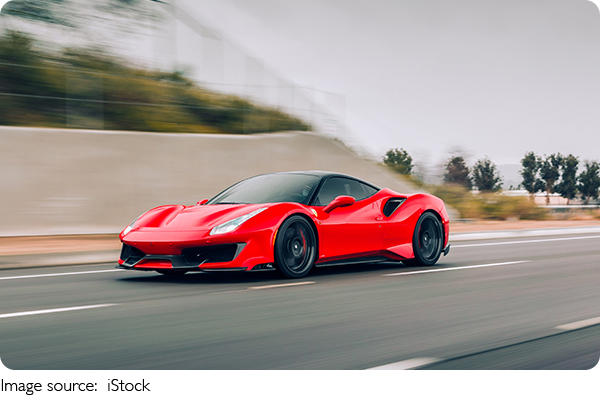
Car brands that succeed in building consumer loyalty do so by focusing on emotional connection, exceptional service, reliability, community, and trust. These elements work together to create a deep, lasting bond that turns first-time buyers into lifelong customers.
When you choose a car, it's not just about a vehicle—it's about a brand that makes you feel valued, supported, and part of something bigger. The best brands know this and leverage these principles to cultivate a loyal following. After all, a car is more than just a mode of transportation—it's a relationship.