Cars as Freedom Icons

Kwame Johnson
| 26-12-2025
 · Automobile team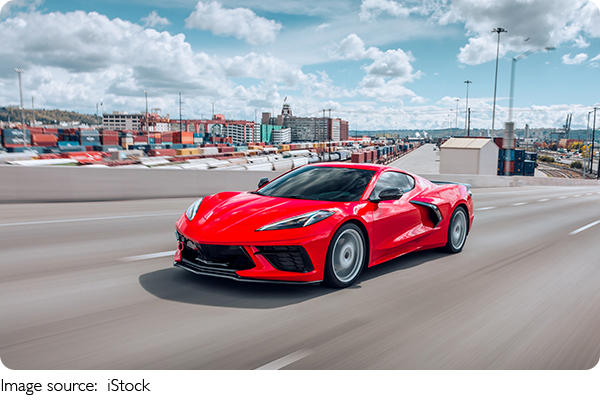
Have you ever felt the rush of freedom when you're behind the wheel, windows down, music blasting, and the open road stretching ahead?
There's something almost magical about the way a car can transform a simple drive into an experience of pure freedom. It's no wonder that in Western culture, cars have long been considered symbols of independence, self-expression, and the uncharted path ahead.
From road trips across endless highways to rebellious, the automobile has become a powerful representation of liberty and adventure. But how did this connection between cars and freedom come to be, and why is it still so strong today?
1. The Car as a Gateway to Independence
Think back to your teenage years, when getting your first car was a rite of passage. Suddenly, you weren't bound by the limitations of public transport or relying on others for a ride. The moment you had a set of wheels, you had control over where you went, when you went, and how far you could travel. That first car represents a new chapter in life—freedom from dependence and the ability to carve your own path.
For many, this sense of independence extends far beyond just getting from point A to point B. Cars represent the ability to choose your own adventure, make your own decisions, and explore the world on your terms. The idea that you can go wherever the road leads, without constraints or boundaries, is deeply ingrained in the way we view cars in Western culture.
2. Cars as a Symbol of Rebellion
There's something inherently rebellious about the car's place in Western culture. Think about how cars have been used as expressions of defiance and freedom throughout history. The 1950s and 1960s, for example, saw the rise of muscle cars—powerful, loud machines that became synonymous with the rebellious youth culture. These cars weren't just vehicles; they were a statement.
Today, that same rebellious persists in the car culture, especially among those who customize their vehicles, turning them into personal statements that defy convention. Whether it's the restoration of a classic muscle car or the modification of a modern car to reflect individual style, cars continue to represent freedom from societal constraints.
3. The Road Trip: A Celebration of Adventure
If there's one thing that truly exemplifies the connection between cars and freedom, it's the road trip. A road trip isn't just a long drive—it's a journey into the unknown, a celebration of discovery and adventure. The freedom to take off with no specific destination in mind and explore the world at your own pace is a deeply ingrained part of Western culture.
Today, the idea of the road trip remains a powerful symbol of freedom. Whether it's a weekend getaway or an epic cross-country adventure, cars provide the opportunity to break away from the routine and explore the world on your own terms. The road, quite literally, is your canvas.
4. Cars and the American Dream
In Western culture, especially in the United States, the car has long been associated with the American Dream. The car isn't just a way to get around—it's a symbol of success, upward mobility, and the freedom to achieve your dreams. The classic image of the family roadster or the successful businessman behind the wheel of a luxury car reflects the idea that anything is possible if you have the right car, the right attitude, and the freedom to pursue your goals.
In the 1950s and 1960s, cars like the Ford Mustang or Chevrolet Corvette became icons not just for their sleek design but for what they represented: the ability to rise above your circumstances and reach new heights. Owning a car wasn't just about practicality—it was about making a statement and expressing individuality.
Today, that same ethos persists, with cars continuing to serve as symbols of personal achievement and the freedom to choose your own destiny. Whether it's a new car that symbolizes a promotion or a luxury vehicle that signals financial success, cars are still deeply tied to the idea of freedom through accomplishment.
5. The Car as an Extension of Self-Expression
In addition to representing physical freedom, cars also serve as a canvas for self-expression. From the choice of color to the customization of features, cars allow individuals to create a personal identity on wheels. A person's car can reflect their personality, interests, and values, just like their clothing or home décor.
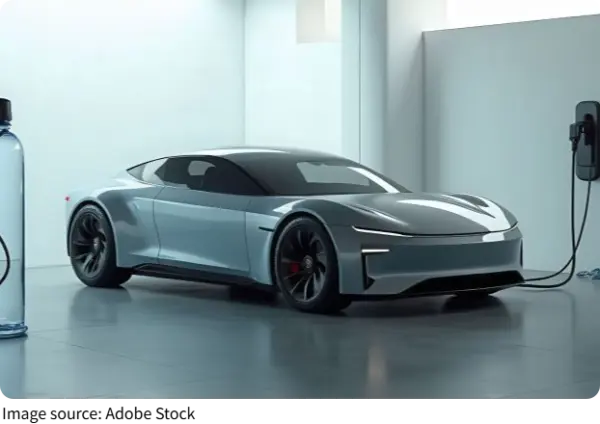
The growing trend of electric vehicles (EVs), for instance, is a powerful example of how cars continue to evolve as symbols of freedom. Many people are drawn to EVs not just for their environmental benefits, but because they represent a break from the conventional, an embrace of new technology, and a desire to make a positive impact. This shift in car ownership reflects a new understanding of freedom—one that is tied to sustainability and a commitment to the future.
Cars in Western culture have always been more than just machines—they are symbols of freedom, rebellion, and independence. Whether it's the first taste of autonomy behind the wheel, the adventure on a road trip, or the pursuit of the American Dream, cars continue to serve as powerful representations of what it means to be free.
Next time you hop into your car, take a moment to appreciate the symbolism behind it. Your car isn't just a way to get from point A to point B—it's a reflection of your desire for freedom, your personal journey, and your pursuit of adventure.