Car or Not

Elise
| 25-12-2025
 · Automobile team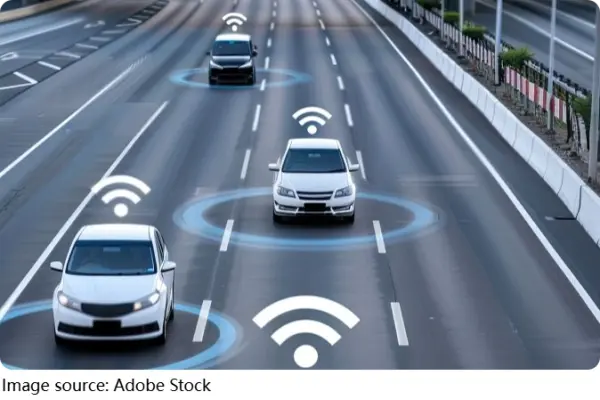
let’s think about it—just a few years ago, many of us believed that owning a car was a must. It was almost like a symbol of convenience and independence. But now, shared cars are becoming a new trend worldwide.
From ride-hailing to carpooling and short-term rentals, we have more choices than ever before. So here’s the question: do we still really need to buy a car in this new era?
Shared Cars Are More Accessible Than Ever
In big cities, shared mobility services have become part of daily life. With just a few taps on an app, we can book a car, ride, or even split a journey with others. The waiting time is short, the price is transparent, and discounts are often available.
Think about the situations:
- Going to work? Carpooling or ride-hailing saves us time and money.
- Shopping downtown? No need to stress over parking spots.
- Rainy day? We can avoid getting soaked while walking from a faraway parking lot.
- Evening out with friends? We can relax and not worry about driving back.
Clearly, what used to be a privilege for car owners is now within reach for all of us.
The Hidden Burdens of Owning a Car
Buying a car might feel like freedom, but behind it are constant responsibilities. It’s not just about paying once—it’s about ongoing costs and time spent.
- Regular maintenance like cleaning and servicing.
- Repairs when unexpected problems occur.
- Rising fuel costs that hit our budget every month.
- Parking fees, insurance bills, and even traffic tickets.
Sometimes, instead of giving us independence, a car becomes something that locks us into a cycle of payments and tasks.
Shared Mobility: Pay Only When We Need It
Life today is less predictable than before. Many of us work from home some days, travel for business other times, and only need transport for special occasions. In such cases, paying for a car that mostly sits unused doesn’t make sense.
With shared cars, we pay only when we use them. This flexibility matches our changing routines. Whether it’s a quick trip across town or a weekend getaway, we can choose exactly when and how we want to spend. It’s cost-effective and stress-free for people whose schedules are always shifting.
The Hybrid Approach
It doesn’t have to be all or nothing. Many of us are now combining different methods to make the most of every situation. For example:
- Taking the subway or bus for daily commuting.
- Using shared cars when we’re short on time.
- Renting for a weekend road trip.
- Sharing rides with friends during holidays.
- Driving ourselves only when we feel like it.
This hybrid lifestyle means we can stay flexible without being tied down by one single choice.
Who Still Benefits from Owning a Car?
Of course, owning a car is still practical for some people. Families with children or elderly relatives may find it more convenient. People who live in areas with limited ride-hailing services or weak public transport may also need one. And those who love road trips or prefer full control of their routes will enjoy the experience of driving their own vehicle.
But here’s the key: buying a car today is no longer a social expectation. It’s a personal lifestyle choice. What matters most is whether it suits our real needs, not whether everyone else has one.
Our Choice Ahead
Shared cars are not replacing car ownership completely, but they are changing how we think about mobility. We now have the freedom to choose—owning a car, renting, sharing, or combining different ways depending on the situation.
So Lykkers, what do you think? Would you embrace the new trend of shared cars and enjoy the flexibility, or does buying a car still make sense for your life? The beauty is that today, we are no longer limited. We decide what works best—and that freedom is the real luxury of modern travel.