Infotainment Revolution

Tessa
| 22-12-2025
 · Automobile team
Imagine stepping into a car in the 1960s and turning on the AM radio for your favorite tunes.
Fast forward to today, and a simple voice command in your car can play a curated playlist, give you real-time traffic updates, or adjust your climate control.
The evolution of car infotainment systems is a fascinating journey that mirrors the rapid advancement of consumer electronics and human-machine interaction.
Car infotainment systems have come a long way—from basic radios to voice-controlled, cloud-connected smart hubs. Let's explore how these systems have changed, where they're heading, and why this technology matters more than ever in shaping our driving experience.
The Humble Beginnings: AM/FM Radios
In the early days of the automobile, entertainment options were limited. The first commercial in-car radio, the Motorola 5T71, appeared in the 1930s. It was large, expensive, and powered by vacuum tubes. Still, it marked a new era in automotive design—cars were no longer just about transportation; they were becoming mobile living spaces.
By the 1950s and 1960s, AM/FM radios became more compact, reliable, and affordable. Drivers could now listen to music, news, and weather while on the go. These early systems, while basic, laid the foundation for in-car entertainment.
The Cassette and CD Era
The 1970s introduced cassette players, giving drivers more control over what they listened to. No longer limited to radio broadcasts, people could now bring their favorite music with them. Cassette decks were soon followed by CD players in the 1980s and 1990s, offering clearer sound and easier navigation between tracks.
This era was also marked by the rise of aftermarket systems. Brands like Pioneer and Kenwood became household names, offering multi-disc changers and equalizers. These systems were not only functional but also customizable—drivers could now personalize their dashboard experience.
Digital Display and Navigation Arrive
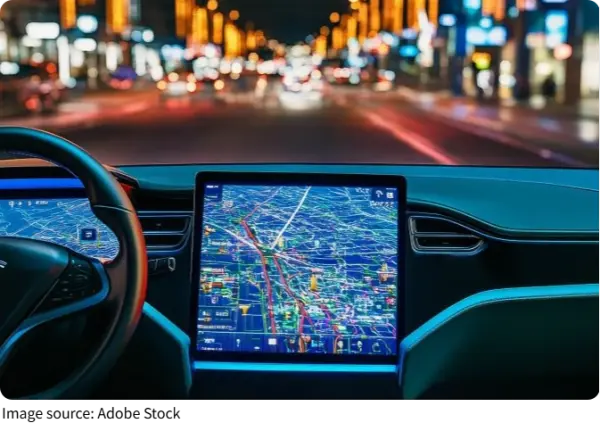
In the late 1990s and early 2000s, digital screens started appearing in cars. Touchscreens, GNSS navigation, and user-friendly interfaces became increasingly common, especially in premium vehicles. This marked a significant shift: infotainment was no longer just about music but included navigation, communication, and even vehicle diagnostics.
Systems like BMW's iDrive and Audi's MMI centralized control of various functions into a single interface. While initially criticized for complexity, these systems paved the way for today's integrated infotainment platforms.
The Rise of Smartphone Integration
One of the most transformative changes in recent infotainment history came with smartphone integration. Infotainment systems became extensions of our phones. Drivers could now access apps, send texts, make calls, and use voice assistants—all without touching their phones.
This change significantly improved safety and user experience. According to a study by AAA in 2021, drivers using voice commands spent significantly less time looking away from the road compared to traditional touchscreen use.
Voice Assistants and Artificial Intelligence
Modern infotainment systems are increasingly powered by AI. Voice assistants can now be accessed directly through the car. These assistants can understand natural language, respond to complex requests, and learn user preferences over time.
Today's infotainment systems do more than play music. They:
• Offer predictive navigation based on past routes
• Suggest fuel-efficient routes
• Integrate with home automation systems
• Alert drivers to calendar reminders and traffic patterns
This shift toward AI and machine learning is making the driving experience smoother, smarter, and more connected than ever.
Cloud Connectivity and Over-the-Air Updates
Gone are the days when your car's technology became outdated within a few years. Cloud-based systems and over-the-air (OTA) updates now allow automakers to push new features and security improvements directly to your vehicle. Tesla was one of the first companies to widely adopt OTA updates, and now many automakers—including Ford, GM, and Mercedes—are following suit.
OTA updates mean that infotainment systems can continue evolving even after the car leaves the factory. This not only extends the system's lifespan but also enhances long-term value for car owners.
Personalization and Profiles
Another key trend is personalization. Modern infotainment systems often include user profiles that store settings for seat position, climate control, preferred music sources, and even mood lighting. These profiles can sync with cloud accounts, allowing settings to travel with the user—even if they switch vehicles.
For shared cars or family vehicles, this level of personalization means no more adjusting mirrors and radio stations every time someone new gets behind the wheel.
Infotainment and Driver Safety
Infotainment isn't just about fun—it also plays a key role in driver safety. Features like head-up displays, haptic feedback, and voice control help reduce distraction and keep drivers focused.
However, there's also the risk of information overload. Designers must strike a balance between functionality and simplicity to ensure that infotainment enhances rather than hinders safety.
Future Trends: What's Next?
Looking ahead, we can expect infotainment systems to become even more immersive and intelligent. Some upcoming features include:
• Augmented reality dashboards
• Biometric recognition (e.g., face or fingerprint login)
• Emotion-detection sensors to suggest music or adjust lighting
• Full vehicle integration with smart home devices
With the rise of autonomous vehicles, the role of infotainment will shift even more toward entertainment and productivity—imagine watching movies, holding video conferences, or working during your commute.
Are You Ready to Upgrade?
Whether you're nostalgic for the simplicity of an FM radio or excited about cloud-powered voice control, there's no denying that infotainment systems have transformed how we interact with our vehicles. As technology continues to evolve, infotainment will only grow more intelligent, personalized, and indispensable.
So what's your favorite infotainment feature? And what would you love to see in the cars of tomorrow? Let us know how you see this exciting revolution shaping your driving experience!