The Global Motorcycle

Elise
| 19-12-2025
 · Automobile team
Motorcycles are more than just machines; they represent a global industry with a complex supply chain that involves everything from design to distribution.
Whether you're a rider, a manufacturer, or just a casual observer, it's important to understand how the motorcycle supply chain has evolved in recent years.
Let's explore the major shifts that are reshaping this dynamic industry.
A Shift Toward Electrification
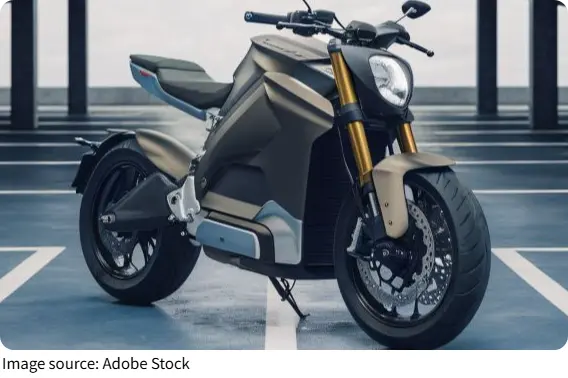
One of the most notable changes in the global motorcycle industry is the rise of electric motorcycles. As environmental concerns grow and governments tighten regulations on emissions, more manufacturers are focusing on creating electric alternatives. Companies like Harley-Davidson, Zero Motorcycles, and Honda are leading the charge, bringing electric motorcycles into the mainstream.
The supply chain for electric motorcycles is fundamentally different from that of traditional internal combustion engine (ICE) motorcycles. Batteries, electric motors, and high-tech electronics now play a bigger role, and manufacturers need to source these components from specialized suppliers. As electric bikes become more popular, the demand for raw materials like lithium and cobalt (used in batteries) has skyrocketed, influencing global trade and shaping the economic landscape of motorcycle manufacturing.
Global Sourcing of Components
Gone are the days when a motorcycle was predominantly built in one country. Today, the production of a single motorcycle often involves sourcing parts from multiple corners of the globe. For example, a bike might be designed in Italy, have its engine manufactured in Japan, and use tires from the United States. This level of global sourcing allows companies to leverage specialized expertise from various regions.
For manufacturers, the global nature of sourcing helps reduce costs while maintaining quality. However, it also introduces complexities in logistics and trade. Fluctuations in tariffs, governmental instability, or disruptions in the supply chain (such as those seen during the COVID-19 pandemic) can have a huge impact on the availability and price of components, affecting both production timelines and final prices for consumers.
Innovation in Manufacturing Techniques
Modern manufacturing technologies are reshaping how motorcycles are made. With advancements like 3D printing, automation, and robotics, production lines are becoming more efficient and cost-effective. Manufacturers are now able to produce more customized models at a faster rate while minimizing waste.
For instance, 3D printing has been adopted to create prototypes and complex parts that are difficult or costly to produce using traditional methods. This technology allows manufacturers to experiment with new designs and materials quickly and at a fraction of the cost. As this technology advances, it could revolutionize the supply chain by enabling more localized production and reducing reliance on overseas suppliers.
Increased Consumer Demand for Customization
Today's motorcycle consumers are increasingly looking for personalization options, which is driving changes in how motorcycles are produced and delivered. Riders no longer just want a one-size-fits-all bike; they want something that reflects their personal style and preferences. This trend toward customization has had a direct impact on the motorcycle supply chain.
Manufacturers are responding by offering a wider variety of accessories, parts, and colors, allowing customers to personalize their motorcycles. Some companies, like Harley-Davidson, have even created online tools that let customers design their bikes before making a purchase. This shift has created a growing market for aftermarket parts, influencing everything from production schedules to distribution channels as manufacturers and suppliers work to meet the demand for custom parts.
The Role of Online Retail and Direct-to-Consumer Sales
The way motorcycles are sold has undergone a dramatic shift in recent years. The rise of e-commerce has given consumers more options than ever to purchase bikes and related accessories online. Many motorcycle brands are now embracing direct-to-consumer sales, bypassing traditional dealerships and selling directly via their own websites or through e-commerce platforms.
This shift has impacted the entire supply chain. Manufacturers must adapt to increased online demand by improving their online presence, streamlining shipping and delivery processes, and ensuring their products reach customers quickly. The growth of e-commerce has also created opportunities for smaller brands to enter the market, as they can leverage platforms to raise funds and bring their products to life.
The Impact of Global Trade Policies
Global trade policies play a huge role in shaping the motorcycle industry. As trade agreements change and tariffs rise or fall, manufacturers must adjust their sourcing and production strategies. For instance, a shift in tariffs on parts or finished motorcycles can dramatically affect production costs and pricing, influencing the overall structure of the supply chain.
A recent example is the fluctuating tariffs imposed between major motorcycle-producing countries. Tariffs on steel or aluminum can increase the cost of raw materials, which in turn affects manufacturers' bottom lines. As such, manufacturers have become more strategic in deciding where to source parts and assemble motorcycles, sometimes even shifting production to regions where trade policies are more favorable.
Sustainability and Circular Economy
As sustainability becomes an increasingly important issue, the motorcycle industry is exploring ways to minimize its environmental impact. The rise of electric motorcycles is just one part of this effort. Companies are also focusing on recycling materials, reducing waste, and implementing more sustainable manufacturing processes.
For example, some manufacturers are now focusing on creating bikes with recyclable components, while others are exploring ways to reduce their carbon footprint during production. The circular economy model, which promotes the reuse and recycling of materials, is gaining traction in the motorcycle industry as companies strive to meet consumer demand for eco-friendly products.
The global motorcycle industry is experiencing profound shifts, driven by technological advancements, changing consumer preferences, and evolving trade policies. As electric motorcycles become more common, sourcing strategies become more complex, and new manufacturing technologies emerge, the motorcycle supply chain is poised for continued transformation.
For consumers and industry stakeholders alike, staying aware of these trends will be crucial to understanding how the market will evolve in the coming years.