Preventing Car Fires

Hana
| 12-12-2025
 · Automobile team
When the summer heat hits its peak, your car can turn into a dangerous situation if you're not careful.
With the rising temperatures, the risk of vehicle fires becomes a very real concern, especially when you're stuck in traffic or parked under the sun for long hours.
So, how do you avoid a potentially dangerous situation? It all starts with understanding the key risk factors and knowing how to take action before it's too late.
Regular Maintenance is Key
Preventing car fires starts with basic vehicle maintenance. It may sound simple, but regular checks on the vehicle's critical systems can make a huge difference.
Inspect the Fuel System:
Leaks in the fuel system can be disastrous, especially in hot weather. A fuel line leak or a loose fuel cap can lead to gasoline evaporating or spilling, which is a major fire hazard. Make it a habit to check for any visible fuel leaks and always ensure that the fuel cap is tightly secured after refueling.
Battery Check:
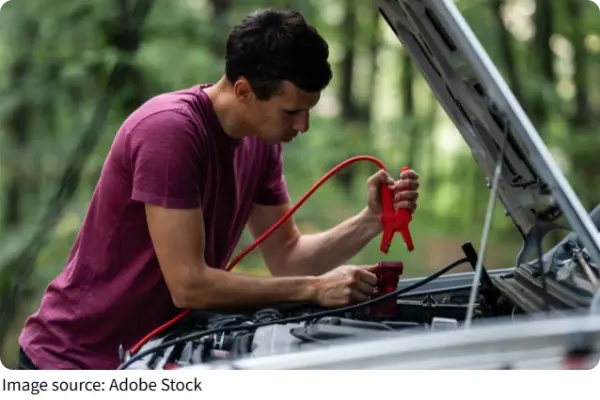
High temperatures can cause the battery to overheat, leading to the risk of a fire. Check for any signs of corrosion or loose connections, and consider replacing an old battery if it's showing signs of wear. A battery in good condition is less likely to overheat.
Air Conditioning and Cooling System:
Cars rely on air conditioning systems and cooling mechanisms to prevent overheating, especially in summer. A malfunctioning radiator or clogged AC condenser can cause the engine to overheat. Be sure to have the cooling system flushed regularly, and top up fluids as necessary.
Be Careful with Your Parking Habits
Parking in the right spot can prevent a lot of issues when it comes to hot weather and car safety.
Avoid Direct Sunlight:
Parking under direct sunlight causes the interior temperature of your car to rise dramatically. Over time, this can lead to the deterioration of wiring and plastics, increasing the risk of sparks or fire. Try to park in shaded areas or use a car sunshade to protect your vehicle.
Be Aware of Overheating:
If you're parking your car in a garage, make sure it's well-ventilated. Poor airflow can trap heat, causing the engine or other components to overheat. Keep the garage door open or park with the front of the car facing a vent to allow heat to escape.
Watch Out for Electrical Hazards
With so many modern vehicles having electrical systems running throughout the car, it's important to ensure that nothing is out of place. Electrical issues are one of the leading causes of car fires, and hot weather can make them worse.
Check Wiring and Fuses:
Inspect the vehicle's wiring for any fraying, exposed wires, or signs of wear. Electrical shorts can easily ignite a fire, so if you notice any issues, it's essential to fix them right away. Also, keep an eye on the fuses—if any fuse blows frequently, it could be an indication of an underlying electrical problem.
Avoid Overloading Electrical Systems:
During summer, many people tend to use gadgets like fans, air fresheners, or phone chargers that plug into the car's power outlet. While this may seem harmless, excessive use of electrical devices can strain the car's electrical system. Always unplug devices when you're done using them, and avoid running too many accessories simultaneously.
Don't Neglect Tire Care
In high temperatures, tires are one of the most vulnerable components in your car. Under-inflated or worn-out tires can cause dangerous situations that could lead to a fire.
Regular Tire Inspections:
Ensure that your tires are properly inflated and show no signs of wear or bulges. Under-inflated tires create more friction and are prone to blowouts, especially on hot asphalt, which could spark a fire. Regularly check tire pressure, particularly before long trips or during heat waves.
Rotate Tires Regularly:
Unevenly worn tires not only make driving more difficult but also increase the chances of them overheating and catching fire. Get your tires rotated every 5,000 miles or according to your car's manual for even wear and to avoid dangerous friction.
Keep an Emergency Kit on Hand
While prevention is key, being prepared for an emergency situation can make all the difference in minimizing damage or injury.
Fire Extinguisher:
Having a small fire extinguisher in your car could be a lifesaver if a fire breaks out unexpectedly. Keep it within easy reach—ideally, mounted near the driver's seat for quick access. A car-specific extinguisher (rated for class B and C fires) is your best bet.
Basic First Aid Supplies:
In case of an emergency, having basic first aid items like bandages, antiseptic wipes, and a flashlight can help you stay safe until help arrives. Keep this kit in the glove compartment or under the seat for quick access.
Stay Safe, Stay Cool
While we can't always control the weather, we can control how well we prepare our vehicles for it. By maintaining your car, parking smart, and staying vigilant, you can significantly reduce the risk of a fire breaking out in the summer heat. Taking simple steps now could save you a lot of trouble later, and most importantly, keep you and your loved ones safe on the road.