Oil Filter Guide

Naveen Kumar
| 23-12-2025
 · Automobile team
Have you ever wondered if changing your car's oil filter is really that important? Maybe you've been told it's a task to skip, or maybe you're unsure how often you need to do it.
Well, if you want to keep your engine running smoothly and avoid costly repairs, the oil filter plays a crucial role. But how often should you actually replace it?
Let's see it and help you keep your ride in top shape.
Understanding the Oil Filter's Role
Your car's oil filter is protection of your engine. It cleans the oil by trapping dirt, metal shavings, and other contaminants, ensuring that the oil circulating in your engine stays clean and free from particles that could cause damage. Without a good oil filter, your engine oil would get dirty fast, and your engine would wear out much quicker.
Actionable Tip: Don't wait until your engine is showing signs of distress. A clogged or dirty oil filter can cause your engine to overheat or even break down. Regular replacement is a proactive step to prevent future problems.
How Often Should You Change It?
The general rule of thumb for replacing the oil filter is every time you change your oil, which usually happens every 3,000 to 5,000 miles for most cars. However, some modern vehicles can go much longer between oil changes—up to 10,000 miles or more. If you're unsure, check your car's manual for specific guidelines on oil and filter changes.
Actionable Tip: If you're someone who drives frequently on highways, your oil and filter might last longer. But if you do a lot of short trips or city driving, the oil filter may get clogged faster. So, pay attention to how you drive when deciding on intervals.
Factors That Can Impact Filter Lifespan
Not all driving is created equal. Certain factors can make your oil filter need to be replaced sooner. For example:
• Driving in extreme conditions: If you live in a hot climate or frequently drive in dusty conditions, your oil filter will catch more debris and will need to be replaced more often.
• High-performance engines: Cars with high-performance engines often require more frequent oil and filter changes because they generate more heat and wear.
• Heavy towing or hauling: If you regularly tow a trailer or carry heavy loads, the engine works harder and generates more contaminants, making a filter change necessary sooner.
Actionable Tip: If any of these factors apply to your driving habits, consider replacing your oil filter every 3,000 miles or even more frequently to maintain peak engine performance.
Can You Skip It Sometimes?
You might think it's fine to skip an oil filter change every now and then. After all, if the oil seems fine, why bother, right? Well, skipping the filter change can lead to longer-term damage. A clogged oil filter can't clean the oil properly, which means your engine is running on dirty oil. This can result in increased wear on the engine components, leading to decreased efficiency and higher repair costs.
Actionable Tip: Even if you're using high-quality oil, don't skip the filter change. It's a relatively inexpensive way to avoid expensive repairs in the future.
How to Choose the Right Oil Filter
Choosing the right oil filter is just as important as knowing when to replace it. Not all oil filters are the same, and picking the wrong one could cause issues. When selecting a filter, make sure it matches your vehicle's make and model. There are different filters for different engines, and using the wrong one could cause oil leaks or even damage the engine.
Actionable Tip: Always check your car's manual or consult with a mechanic to find the best oil filter for your car. High-quality filters might cost a bit more, but they last longer and protect your engine better.
Signs That Your Oil Filter Needs Attention
Sometimes, you don't even need to rely on the scheduled oil change intervals to know that your oil filter needs to be replaced. Here are some signs to watch for:
• Sluggish engine performance: If your engine feels sluggish or struggles to accelerate, the oil filter could be clogged and preventing proper oil flow.
• Strange engine noises: If your engine is making unusual noises, it might be because the oil is dirty or not circulating properly due to a clogged filter.
• Oil pressure warning light: This could be a sign that the oil isn't flowing properly, which could be related to the oil filter.
Actionable Tip: If you notice any of these symptoms, it's a good idea to check your oil filter and change it right away. Don't wait for the problem to get worse.
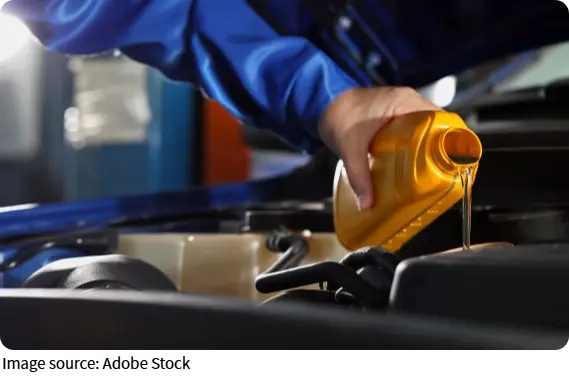
Replacing your car's oil filter is a small, inexpensive step that can have a big impact on your vehicle's longevity. Don't put off maintenance just because it seems like an extra chore. By staying on top of it, you'll help keep your engine running smoothly, save money on repairs, and ensure that your car continues to perform at its best.
Ready to keep your car in tip-top shape? Start by checking your oil filter and stay ahead of any potential issues!