The Model T Revolution

Tessa
| 24-12-2025
 · Automobile team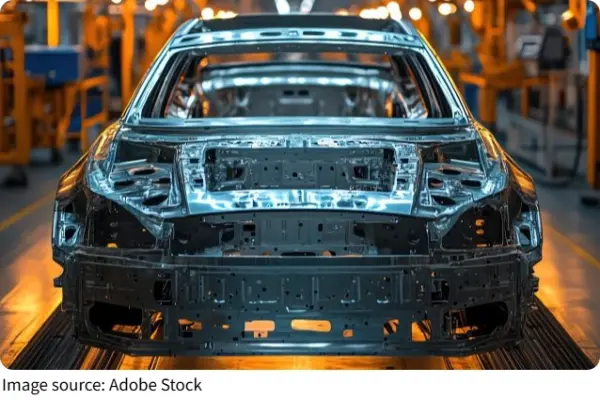
The Ford Model T, introduced in 1908, is often hailed as one of the most revolutionary vehicles in history. It didn't just change the automotive industry; it fundamentally altered how people lived, worked, and interacted with the world.
By making cars affordable and accessible, Henry Ford's vision of mass production and his commitment to the assembly line transformed society in profound ways.
In this article, we explore how the Ford Model T changed the world, examining its impact on manufacturing, transportation, and modern life.
The Birth of Mass Production
Before the Model T, cars were luxury items, handcrafted by skilled artisans, and out of reach for the average person. The cost of owning a car was prohibitively high, and vehicles were slow to manufacture. Henry Ford's breakthrough came with the implementation of the assembly line, a system that drastically reduced the time it took to produce a car.
By using standardized parts and organizing the manufacturing process so that each worker performed a specific, repetitive task, Ford was able to mass-produce vehicles at an unprecedented scale.
The first major shift occurred when Ford's factory was able to reduce the time to build a car from over 12 hours to just 93 minutes. This innovation was a game-changer for industries beyond automotive manufacturing. Ford's assembly line model became a blueprint for other industries, from appliances to electronics, setting the stage for modern manufacturing practices.
This move toward mass production not only improved efficiency but also laid the groundwork for the global industrialization that would follow in the 20th century.
Making the Automobile Affordable
One of the key ways in which the Model T changed the world was by making cars affordable for the average person. Before the Model T, cars were a luxury item that only the wealthy could afford. The high cost of production and limited manufacturing capabilities meant that only a small portion of society could own a vehicle.
Ford's strategy was to increase wages for workers, which in turn allowed them to afford the cars they were building. In 1914, Ford raised the wages of his workers to $5 per day, an unprecedented move that not only improved worker conditions but also created a new middle class of car owners.
By lowering production costs, Ford was able to drop the price of the Model T to an affordable level. In doing so, he transformed the car from a symbol of status to a tool for everyday life. By the time production ceased in 1927, Ford had sold more than 15 million units of the Model T, making it one of the best-selling cars in history.
This shift made cars accessible to a broad segment of society, dramatically changing how people lived. With affordable transportation, families were no longer tied to rural areas and could easily move to cities for work. It allowed for greater mobility, changing where people lived, how they worked, and how they interacted with their communities.
Shaping the American Landscape
The widespread availability of the Model T led to significant changes in urban planning and the American landscape. With the rise of automobiles, cities began to grow outward rather than upward. Suburbanization became a reality, as people could now commute long distances to work, leading to the creation of highways, roads, and eventually, a new culture of car ownership.
In the early 20th century, the development of infrastructure to support automobiles—such as gas stations, repair shops, and motels—became essential. The Model T also led to the development of the fast-food industry, as drive-thru restaurants catered to the growing population of drivers. The expansion of the automobile culture played a central role in shaping the modern American way of life, driving further innovation in transportation, real estate, and commerce.
Boosting the Economy and Creating Jobs
The mass production of the Model T not only transformed the automotive industry but also had a far-reaching impact on the global economy. Ford's innovative manufacturing techniques created a massive demand for steel, rubber, glass, and other raw materials, stimulating industries across the board. As the demand for automobiles grew, so did the demand for parts and materials to manufacture them.
Moreover, the assembly line created thousands of jobs, not just in Ford's factories but in the industries that supplied raw materials or supported the automotive supply chain. In the broader economy, the Model T's success stimulated consumer spending and created a new economic model driven by mass production and consumption. It also gave birth to new industries, such as car dealerships and repair services, which employed thousands of people across the country.
By opening the door to mass production, Ford's innovation not only changed the car industry but also helped usher in the modern economy, where consumer demand and production efficiency drove economic growth on an unprecedented scale.
Social and Cultural Impact
The Ford Model T's impact wasn't limited to economics and industry; it also had a profound social and cultural effect. For the first time, people of modest means could afford to travel beyond their immediate communities. This newfound mobility allowed people to explore new places, access new opportunities, and broaden their social circles. The Model T effectively shrank the vast distances between rural and urban areas, making the world seem more connected and accessible.
The car also began to represent freedom and independence. For many, the Model T became a symbol of personal liberty and the ability to explore and experience life on their own terms. For women, the automobile provided a sense of independence that was previously unattainable, allowing them to travel freely without the need for male accompaniment. This shift played a role in changing social dynamics, influencing everything from women's rights movements to changing gender roles in society.
Legacy of the Ford Model T
The Ford Model T's legacy is immense. It not only changed the world of automobiles but also left a lasting impact on industrial practices, labor markets, and the way people view transportation. The Model T revolutionized mass production, created new opportunities for economic growth, and reshaped the physical and social landscape of the world.
The success of the Model T is a testament to the power of innovation in driving change. Henry Ford's vision of affordable cars for the masses changed society in ways that were unimaginable at the time. While the Model T itself is no longer in production, its influence continues to be felt today, with its emphasis on affordability, efficiency, and mass production shaping industries around the world.

The Ford Model T changed the world in ways that are still felt today. It introduced the concepts of mass production and affordable cars, making automobiles accessible to the general public and transforming the way people live and work.
By reducing costs and creating new job opportunities, Ford's innovation helped stimulate the global economy and set the stage for the modern consumer society. The legacy of the Model T is not just in the automobile industry but in the very fabric of modern life, marking a turning point in how we view technology, mobility, and progress.