Is Your Car Your Spy?

Antonio
| 18-12-2025
 · Automobile team
Modern car buyers often focus on horsepower, screens, and driver aids, but the hidden story is data.
Location trails, driving habits, and even how long you sit in your driveway can be logged, stored, and sometimes shared in ways most drivers never fully realise.
Data-Hungry Cars
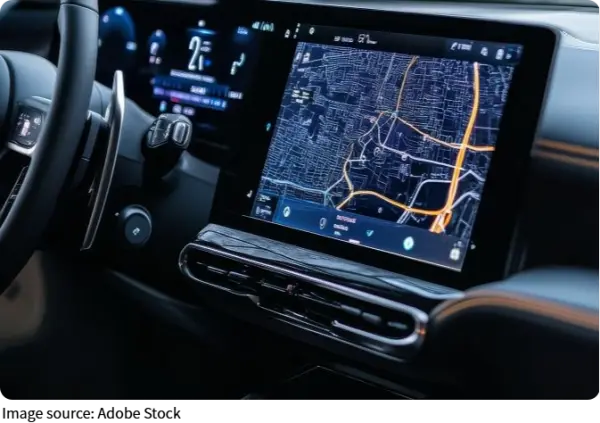
Today’s vehicles are closer to rolling computers than simple transport. Navigation systems, infotainment screens, driver-assistance features, telematics units, and built-in connectivity all work together to stream data in the background while the vehicle is in use.
This data goes far beyond basic trip information. Routes taken, favourite destinations, average speeds, harsh braking events, and climate-control usage can all be recorded. Some systems also collect voice commands and, in certain models, biometric or driver-monitoring data such as gaze direction or fatigue indicators.
Risks Behind Convenience
The biggest worry is what happens if this information falls into the wrong hands or is used in ways drivers never expected. Detailed location history and behaviour profiles could be exploited for identity theft, stalking, or intrusive profiling, including highly targeted marketing across other digital channels.
Because connected cars often link to cloud services, phone apps, and external servers, there are multiple points where unauthorised access might occur. Security weaknesses could theoretically allow attackers to pull personal data or, in extreme cases, interfere with core vehicle functions, putting both privacy and physical safety at risk.
Hidden Data Practices
Another concern is how little most owners actually know about what their vehicle is doing with their information. Privacy policies and end-user agreements are typically long, dense, and filled with technical language that discourages careful reading. Many users tap “accept” simply to get on the road.
These agreements often bundle essential features with extensive data collection. Drivers may feel that declining certain permissions means losing navigation, connected apps, remote services, or other headline features they paid for. In some situations, there is a sense that refusing consent could even complicate support or warranty discussions.
Real-World Example
A prominent example involves the “Connected Services” suite integrated into many new Toyota models. A consumer group raised alarms that these smart features could send personal and vehicle-related data to external partners. This highlighted how hard it can be for drivers to see exactly where their data goes once collected.
Toyota has stated that customer privacy is taken very seriously, yet the company also confirmed that Connected Services can only be switched off, not fully removed. Disabling the system may risk warranty implications and can interfere with functions such as Bluetooth audio and speakers. This creates a difficult trade-off between connectivity and control.
Concerns are not limited to a single brand. A major 2023 report from the Mozilla Foundation reviewed 25 automakers and concluded that modern cars perform poorly on privacy. The study found that most brands allowed limited user control, and a large majority shared data with third parties for various purposes.
Manufacturers including Ford, Toyota, Volkswagen, BMW, and Tesla were all assessed as collecting more information than strictly necessary. Tesla received particularly harsh criticism, being flagged across every privacy category examined, and its advanced driver-assistance features were described as untrustworthy due to their association with multiple serious incidents.
Fixing The Problem
Improving this situation requires more than simple marketing promises. Clear rules and technical standards are needed to restrict what can be collected, how long it can be kept, and under what conditions it can be shared. Regular independent audits and strong penalties for misuse or breaches would help raise the bar.
Manufacturers also need to adopt “privacy by design” principles. That means building protections into vehicles from day one: collecting only what is truly needed, anonymising or aggregating data where possible, encrypting information in transit and at rest, and securing over-the-air updates to close vulnerabilities before they are exploited.
User-facing controls must be much easier to understand. Instead of buried menus and legalistic language, drivers should see clear dashboards showing what is collected, why it is needed, and simple on/off choices. Opt-in models, where extra data collection is only enabled with explicit, informed consent, can rebuild trust.
Empowering Drivers
Drivers are not powerless in this new environment. Before signing paperwork, it is worth asking how long the manufacturer keeps vehicle data, whether it is shared with partners, and what happens when the vehicle is sold or returned. Simple questions can reveal a lot about a brand’s attitude to privacy.
Inside the car, owners can review privacy settings, disable non-essential sharing, and avoid logging personal accounts into infotainment systems when possible. Before selling or trading a vehicle, factory resets and data-clearing procedures should be followed to erase stored contacts, navigation history, and paired devices.
Education is crucial. Once drivers start to view their vehicles like high-tech devices that log activity, habits change. People become more cautious about what they connect to, which services they truly need, and where they are comfortable leaving digital traces that could paint a detailed picture of their daily lives.
In the end, connected cars deliver incredible convenience—but that convenience should not require surrendering control over personal information. Protecting privacy on the road demands effort from technology suppliers, service providers, and drivers alike. Next time you start your car, what data do you think it is collecting about you, and are you genuinely comfortable with that?