Car Insurance & Purchases

Amina Hassan
| 26-12-2025
 · Automobile team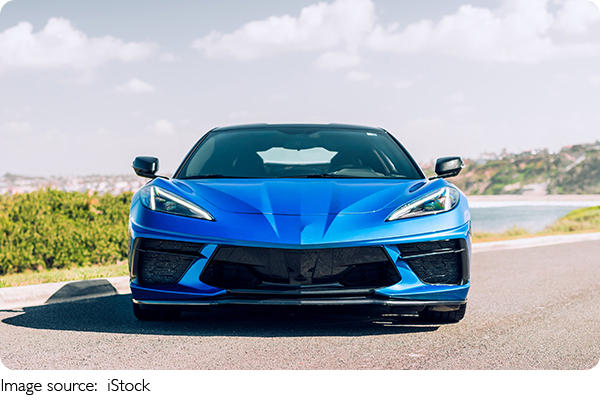
When purchasing a car, many consumers consider not only the vehicle's price, features, and financing options but also the cost of car insurance.
Insurance premiums can play a significant role in shaping a buyer's decision, influencing the choice of vehicle, the type of coverage selected, and even the timing of the purchase.
This article explores how car insurance impacts car purchases, examining factors such as vehicle type, coverage choices, and the broader economic implications for the automotive market.
The Role of Insurance in Car Buying Decisions
Car insurance is an essential aspect of vehicle ownership, providing financial protection against accidents, theft, and other unforeseen events. However, the cost of insurance premiums can vary significantly depending on several factors, including the make and model of the car, the driver's age and driving history, and the type of coverage selected.
For many consumers, the cost of insurance is a significant factor in deciding which car to buy, especially for those on a tight budget.
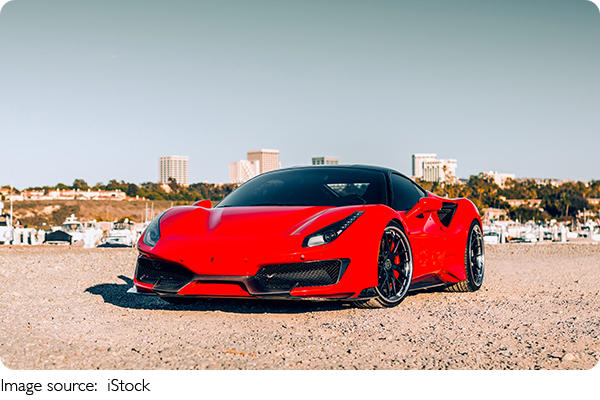
High insurance premiums can make owning certain types of cars less financially feasible. Luxury cars, sports cars, and high-performance vehicles often come with higher insurance costs due to their higher repair and replacement values. In contrast, more affordable and practical cars, such as compact sedans or hybrid vehicles, tend to have lower premiums.
As a result, buyers may lean toward vehicles that are cheaper to insure, prioritizing long-term affordability over style or performance.
Vehicle Type and Insurance Costs
The type of vehicle purchased can greatly influence insurance premiums. For instance, a buyer interested in a high-end sports car may face much higher insurance rates than someone purchasing a standard sedan. This is because sports cars and luxury vehicles are more expensive to repair or replace, and they are often targeted more frequently by thieves. Insurers factor these risks into their premiums, leading to higher costs for owners of these vehicles.
On the other hand, vehicles with strong safety records, such as sedans with modern safety features, may qualify for discounts on insurance premiums. Similarly, hybrid and electric vehicles can often benefit from lower insurance costs due to their lower risk of damage and lower repair costs in case of an accident.
As more consumers become aware of these differences, car insurance can have a significant influence on the type of car they choose to buy, with buyers opting for vehicles that offer the best balance of cost and protection.
Insurance as a Factor in Vehicle Affordability
Insurance premiums can also impact the overall affordability of owning a vehicle. While the upfront cost of a car is a major consideration, many buyers overlook the ongoing cost of insurance. For instance, a consumer may be able to afford the monthly payments on a new luxury vehicle but may find the insurance premiums prohibitively expensive, leading them to reconsider the purchase.
In this context, car insurance is an important part of the total cost of ownership. Even if a buyer can afford the car itself, the associated insurance costs can make the vehicle less affordable in the long run. As a result, consumers often factor in both the purchase price and the expected insurance premiums when determining which vehicle is within their budget. This is particularly true for younger drivers or first-time buyers, who may face higher premiums due to their lack of driving history.
The Influence of Insurance on Leasing vs. Buying
Car insurance also plays a role in the decision to lease or buy a vehicle. Leasing tends to be more attractive for consumers who want lower monthly payments, as lease payments typically cover the depreciation of the vehicle rather than the full purchase price. However, lessees must also maintain insurance coverage on the vehicle, which can add to the monthly cost.
In some cases, buyers may find that leasing a vehicle with lower insurance premiums makes more sense financially than purchasing a car outright with higher premiums. For example, leasing a compact car or a hybrid vehicle with low insurance costs might be a more affordable option than purchasing a more expensive model with high insurance rates.
Therefore, car insurance can influence the lease-versus-buy decision by impacting the overall cost of ownership.
The Impact of Insurance on Car Buying Trends
The influence of car insurance on car buying decisions extends beyond individual purchases; it also shapes broader trends in the automotive market. For example, the increasing popularity of electric and hybrid vehicles is partly driven by the relatively lower insurance premiums for these types of cars. As more buyers opt for vehicles that are cost-effective to insure, automakers are responding by introducing a wider range of affordable, low-insurance models.
Moreover, insurance companies are increasingly using data analytics to tailor their premiums based on driving habits, vehicle type, and even geographic location. This is encouraging consumers to choose cars with safety features, lower repair costs, and better fuel efficiency—all of which tend to result in lower insurance premiums. As a result, consumers are making more informed decisions about the types of vehicles they purchase, with insurance costs playing a significant role in shaping those choices.
Insurance and the Growth of the Used Car Market
In addition to new cars, insurance also affects the used car market. Buyers of used cars may find that insurance premiums are lower compared to new cars, particularly if the vehicle is several years old and has a lower market value. Older vehicles typically cost less to repair or replace, leading to lower insurance costs for consumers.
For this reason, some buyers may opt for used cars as a way to reduce their overall car ownership costs, including insurance. This trend is particularly common among younger drivers and those with limited budgets. As more consumers seek affordable alternatives to new cars, the used car market continues to thrive, with insurance premiums playing a key role in driving these purchasing decisions.
Car insurance has a significant impact on car purchases, influencing decisions about vehicle type, affordability, and even whether to lease or buy. As consumers become more aware of the costs associated with insurance, they are factoring premiums into their purchasing decisions.
The cost of insurance can make certain vehicles more or less appealing, depending on the buyer's budget and preferences. In this way, car insurance is not just a mandatory expense but a key factor that shapes the overall car-buying experience.
As the automotive market continues to evolve, the relationship between car insurance and car purchases will remain an important consideration for both consumers and manufacturers alike.