Exploring Central Park

Amit Sharma
| 17-03-2026
 · Travel team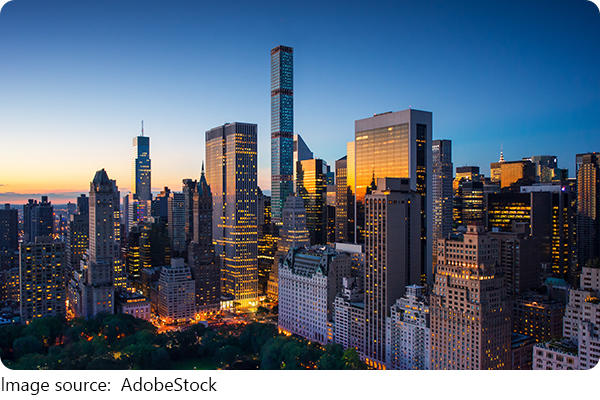
Stepping into Central Park can feel like entering a different world within one of the busiest cities on Earth.
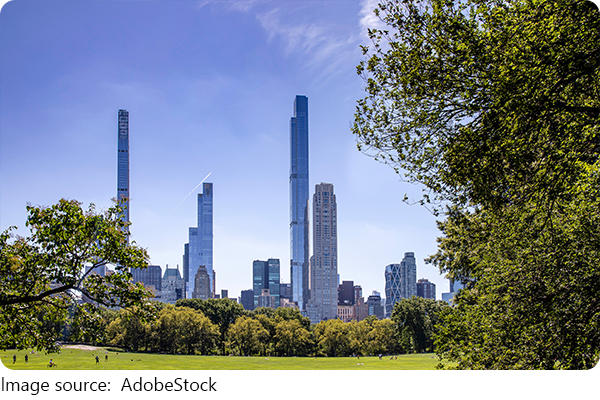
Towering skyscrapers give way to wide green lawns, winding trails, shimmering lakes, and iconic monuments sculpted into lush landscapes.
This nearly 150 year old urban oasis offers recreational escapes, cultural landmarks, and quiet nature retreats — all within the heart of Manhattan.
Created in the mid 19th century to provide New Yorkers with a landscaped refuge, Central Park has since grown into one of the most celebrated public spaces in the world. Today it welcomes millions of visitors every year who come to stroll, picnic, boat, bike, and discover its many unique corners.
A Brief History of the Park
Central Park's story begins in the 1850s when city leaders envisioned a green sanctuary amid rapid urban growth. Designed by landscape architects Frederick Law Olmsted and Calvert Vaux, the park opened in stages throughout the 1860s and 1870s, with its official completion in 1876.
Creating this park involved remarkable engineering and landscape transformation. Millions of cartloads of soil were moved, more than 5,000 trees and shrubs were planted, and networks of paths, lakes, bridges, and lawns were carefully shaped to blend natural beauty with human crafted scenery.
The designers aimed to create varied environments — from open meadows to wooded glens — so that visitors would feel transported into nature, even in the center of a metropolis.
Top Attractions in Central Park
Central Park is large — about 843 acres — and filled with diverse attractions. The official Conservancy guide highlights a wide array of places to explore.
1. Bow Bridge
A graceful cast iron pedestrian bridge spanning the Lake, often featured in photos and films for its elegant design and scenic views.
2. Belvedere Castle
Perched atop Vista Rock, this picturesque castle provides panoramic views of the park and serves as a nature observatory.
3. Central Park Zoo
A small but engaging zoo with a variety of animal species and family friendly exhibits.
4. Conservatory Garden
A formal, six acre garden known for seasonal flowers and serene paths — perfect for a leisurely walk or quiet reflection.
5. Carousel
The historic carousel offers classic amusement with 57 hand carved horses, delighting visitors young and old.
These highlights only scratch the surface — from sprawling lawns and themed gardens to historic monuments and intimate ponds, Central Park invites visitors to explore at their own pace.
Activities and Seasonal Fun
Central Park isn't only a place to walk; it's a place to experience. Across seasons, there's always something engaging to do:
• Picnicking and relaxing: Spread a blanket on the Great Lawn or Sheep Meadow with a picnic, a favorite pastime for locals and visitors alike.
• Boating and skating: Rowboats are available for rental at the Loeb Boathouse on the Lake in warmer months, while Wollman Rink offers ice skating in winter.
• Guided walks and tours: Official tours run daily and provide rich insights into the park's history, design, and hidden gems.
• Cultural events: Throughout the year, Central Park hosts concerts, performances, outdoor theater, and seasonal fairs.
Whether you're interested in active recreation or quiet contemplation, the park's paths and open spaces accommodate every pace and interest.
Practical Visitor Information
Central Park is open daily with free entry, welcoming visitors from early morning until late night, making it accessible at almost any time for exploration and relaxation.
The park stretches from 59th Street in the south to 110th Street in the north, with multiple entrances along Fifth Avenue and Central Park West. Nearby public transit includes subway lines (A, B, C, D, 1, N, Q, R, and W) that access different park edges, helping visitors reach the area efficiently.
Whether you choose to walk, bike, or take a guided tour, planning your route in advance helps make the most of your visit.
A Space That Inspires Reflection
Central Park has endured as more than just an urban green space — it is a testament to the value of thoughtfully designed public environments. From its historic canals and bridges to its recreational fields and performance venues, the park offers a rich mosaic of experiences that reflect both nature's beauty and human creativity.
Walking its paths, visitors not only enjoy scenic landscapes but also connect with the spirit of the city — a place where nature, culture, and community converge. Many who return year after year find that Central Park becomes more than a destination: it becomes a favorite part of their own life story, a reminder of why urban green spaces matter so deeply in bustling cities.