Val di Funes
Caleb Ryan
| 14-03-2026
 · Travel team
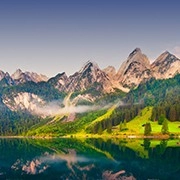
Hidden in the heart of the Dolomites, the peaceful valley of Val di Funes looks like a landscape taken from a painting.
Wide green meadows stretch toward sharp limestone peaks, while small farmhouses and mountain villages dot the hillsides.
When the sun rises over the jagged Odle mountains, the valley glows with soft golden light—one of the most photographed scenes in the entire Dolomites.
Despite its growing popularity among photographers and hikers, Val di Funes still feels calm and authentic. Life moves at a slower rhythm here, and visitors often come not only to see beautiful views but also to experience the quiet atmosphere of alpine villages and nature trails.
The Landscape That Defines the Valley
Val di Funes sits in the northern part of the Dolomites and is framed by the dramatic peaks of the Odle mountain group. These towering formations reach more than 3,000 meters, creating a spectacular backdrop visible from nearly every corner of the valley.
The valley is part of the protected Puez Odle Nature Park, a vast alpine park known for hiking trails, forests, and rare geological formations. Visitors often explore open meadows, quiet forests, and scenic viewpoints overlooking the mountains.
Several places in the valley are especially popular among travelers.
1. Santa Maddalena Village
The small village of Santa Maddalena sits at the end of the valley and offers one of the most famous views of the Odle peaks rising behind green pastures.
2. Adolf Munkel Trail
One of the most scenic hiking routes in the region runs beneath the dramatic cliffs of the Odle mountains, offering constant panoramic views.
3. Mineralogical Museum of Tiso
Located in the village of Tiso, this museum displays sparkling geological formations known as “Tiso geodes.”
Opening Times and Entrance Costs
Val di Funes itself is a natural valley and can be visited year-round with no general entrance fee.
However, specific attractions and mountain huts follow seasonal schedules.
Typical examples include:
1. Mountain huts
Most alpine huts open late May to mid-October, with some reopening briefly in winter.
2. Hiking areas and trails
Open throughout the year, although snow may affect access during winter months.
3. Parking near popular viewpoints
Parking areas near scenic viewpoints typically cost about $8–$15 per day, depending on the location.
These small fees help maintain trails and manage visitor numbers in the valley.
How to Reach Val di Funes
Although the valley feels remote, reaching it is relatively straightforward with several travel options.
1. Train + Bus
Travelers can take a train to the nearby town of Bressanone or Chiusa, followed by a regional bus into the valley.
2. Driving Route
Drivers can exit the A22 Brenner motorway at Chiusa, then follow mountain roads for about 20 minutes into the valley.
3. Guided Hiking Tours
Some local guides offer hiking experiences through alpine farms and scenic trails, often costing around $25–$40 per person depending on the activity.
Accommodation and Travel Costs
Although the valley remains small, visitors can find comfortable lodging in several villages, especially Santa Maddalena and San Pietro.
Typical accommodation prices include:
1. Family guesthouses
Around $90–$140 per night
2. Mountain hotels
About $150–$220 per night
3. Alpine lodges and cabins
Approximately $200–$320 per night
Many accommodations offer balconies facing the Odle mountains, allowing visitors to watch sunrise or sunset over the peaks.
Why Travelers Remember Val di Funes
The beauty of Val di Funes does not come only from its mountains. What truly makes the valley special is its atmosphere. Small farms still operate in the fields, and narrow roads lead through peaceful villages where daily life follows the rhythm of the landscape.
Walking along a trail beneath the towering peaks, visitors often notice how quiet the valley feels. The sound of wind across the meadows or distant bells from grazing animals replaces the noise of cities.
In a world where many destinations become crowded and rushed, Val di Funes offers a rare reminder that nature does not need to be dramatic to be meaningful. Sometimes a simple valley, surrounded by mountains and open sky, is enough to inspire a deeper appreciation for the landscapes that shape our journeys.