Reef Adventure Trip

Caroll Alvarado
| 13-03-2026
 · Travel team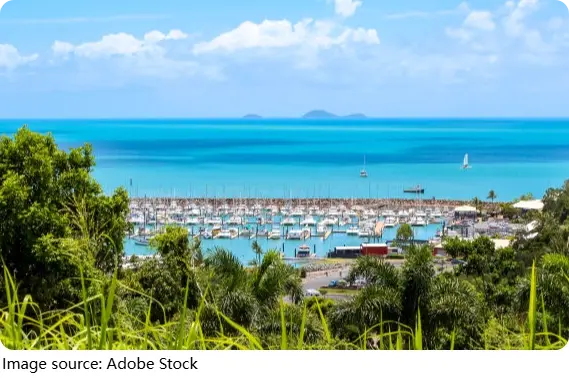
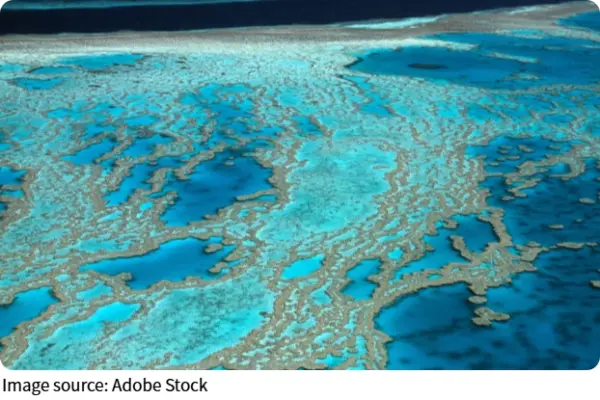
Imagine visiting a living wonder so vast it stretches over 2,300 kilometers (1,400 miles) along Queensland, Australia—the Great Barrier Reef.
Covering 344,400 square kilometers (133,000 square miles) and home to 2,900 individual reefs and 900 islands, it’s one of the most extraordinary ecosystems on the planet.
Billions of tiny coral polyps form this structure, supporting thousands of species of fish, mollusks, sea turtles, and more. We’re about to explore a detailed guide so we can plan the ultimate reef adventure, with all the practical details you need.
Where to Start and How to Get There
Most visitors begin their journey from Cairns or the Whitsunday Islands.
- By Air: Cairns Airport has daily flights from Brisbane, Sydney, and Melbourne, costing about $120–$250 one-way. International flights connect via major Australian hubs.
- By Road: From Cairns to Port Douglas, shuttles cost around $15–$20, taking about 1 hour. To Airlie Beach, buses cost $50–$70, 4–5 hours.
- By Sea: Reef tours often include hotel pick-up and drop-off at no extra charge.
Tour Options and Ticket Prices
We can experience the reef in many ways:
1. Snorkeling Tours: Half-day $100–$150, full-day $180–$250, including gear.
2. Scuba Diving: Introductory dives $150–$200, certified dives $200–$350.
3. Island Hopping: $120–$300, covering ferry transfers and private beaches.
4. Scenic Flights/Helicopters: $150–$350 for 30–60 minutes, giving a breathtaking aerial view.
Opening Hours: Most tours depart 7:00–9:00 AM, returning 3:30–5:00 PM. Advanced booking is recommended, especially in high season (June–November).
Accommodation Options
- Cairns: Budget hotels $60–$120/night, mid-range $150–$250/night, luxury $300+.
- Whitsundays (Airlie Beach): Budget $80–$150/night, mid-range $200–$350, luxury resorts $400+.
- On-Island Resorts: $250–$500/night, often including meals and activities.
We can also choose eco-lodges near the reef, which are slightly more expensive but provide sustainable accommodations.
Dining and Local Food Prices
- Town meals: Sandwiches and drinks $9–$11.
- Casual dining: Dinner $20–$38 per person.
- Seafood platters: $30–$50, especially recommended on the islands.
- Cafés and snack bars: $5–$12 per item, great for quick lunches.
Transportation on the Reef
Getting around is straightforward:
- Ferry Transfers: $30–$60 round trip from Airlie Beach to Whitsunday Islands.
- Seaplane/Helicopter Transfers: $150–$350 per person, a faster and scenic alternative.
- Local Buses/Shuttles: $5–$15 within Cairns and Port Douglas.
Best Time to Visit
The optimal months are June–November:
- Calm seas, perfect for snorkeling and diving.
- Water temperatures 23–29°C (73–84°F).
- Rainfall is minimal, giving clear waters and better visibility.
We should avoid December–March, which is the cyclone season and brings rough seas and higher tour cancellation risks.
Conservation and Eco-Tips
Much of the reef is protected by the Great Barrier Reef Marine Park, which limits fishing, dredging, and tourist impact. As visitors, we can:
- Use reef-safe sunscreen to protect corals.
- Avoid touching or stepping on coral.
- Follow guides’ instructions carefully.
- Choose eco-certified tour operators.
Our awareness can help preserve this extraordinary ecosystem for future generations.
Practical Tips for an Amazing Experience
Lykkers, here’s how we can make the most of our reef trip:
1. Book tours in advance, especially during June–November.
2. Bring waterproof cameras or GoPros for underwater shots.
3. Dress in light layers, with a hat and sunglasses.
4. Stay hydrated and carry light snacks for longer excursions.
5. Consider multi-day reef passes if we plan to explore multiple islands or dive sites.
Recent Environmental Updates
The reef has faced major challenges, including coral bleaching events in 2016 and 2020. Large areas were severely affected, but 2022 surveys showed significant recovery, with Acropora corals dominating two-thirds of regrowth. Visiting responsibly and supporting eco-conscious tours is crucial to help sustain this living wonder.
Final Thoughts
The Great Barrier Reef is more than just a tourist destination—it’s a living ecosystem and cultural treasure. By planning carefully, visiting responsibly, and enjoying its beauty, we can experience a once-in-a-lifetime adventure while supporting conservation. Lykkers, let’s dive into this stunning underwater world together and create memories that will last a lifetime!
Great Barrier Reef | BBC Select
Video by BBC Select