Smart Ways to Save Water

Finnegan Flynn
| 12-03-2026
 · Travel team
Water is one of the most essential resources on Earth, yet it is often taken for granted.
From washing dishes to watering gardens, households use large amounts of water every day. However, many everyday habits lead to unnecessary waste.
Learning simple water-saving techniques can help protect natural resources while also reducing household utility costs. Small lifestyle changes, when practiced consistently, can significantly reduce overall water consumption and contribute to environmental sustainability.
Why Water Conservation Matters
Water conservation is not only about protecting rivers, lakes, and groundwater supplies. Reducing water waste also lowers the energy required to treat, pump, and heat water. In fact, heating water alone can account for a significant portion of household energy use. When individuals reduce unnecessary water consumption, they also decrease energy demand and environmental pollution associated with water treatment and distribution.
In addition, global population growth and changing climate patterns are increasing pressure on water resources. As a result, efficient water use has become a crucial part of sustainable living.
Daily Habits That Reduce Water Waste
Many water-saving practices involve small behavioral changes that are easy to adopt. By paying attention to everyday routines, households can reduce water consumption without sacrificing comfort or convenience.
1. Turn Off the Tap When Not in Use
One of the simplest ways to save water is turning off the tap while brushing teeth or washing dishes. Allowing water to run continuously can waste large amounts of clean water unnecessarily.
2. Take Shorter Showers
Reducing shower time can significantly decrease household water consumption. Even cutting a few minutes from daily showers can save dozens of liters of water each week.
3. Run Appliances With Full Loads
Dishwashers and washing machines operate more efficiently when they are fully loaded. Running half-empty appliances wastes both water and energy.
4. Fix Leaks Quickly
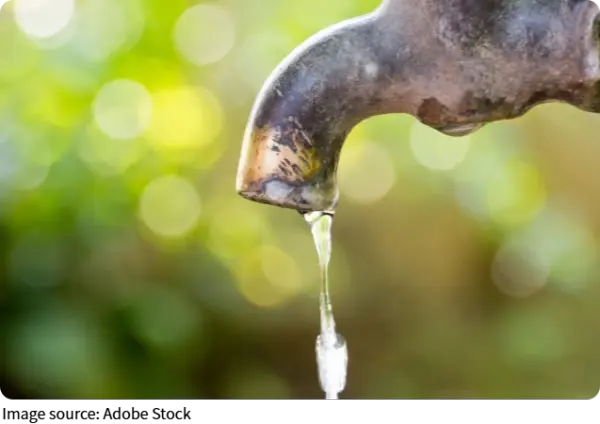
A small drip from a faucet or pipe may seem minor, but over time it can waste thousands of liters of water. Regularly checking plumbing systems helps prevent hidden leaks and unnecessary water loss.
Improving Water Efficiency at Home
In addition to daily habits, upgrading certain household fixtures can dramatically improve water efficiency. Modern water-saving technologies are designed to maintain performance while reducing water flow.
1. Install Low-Flow Fixtures
Water-efficient showerheads, faucets, and toilets are designed to reduce water usage while maintaining comfortable water pressure.
2. Use Water-Efficient Appliances
Modern dishwashers and washing machines are designed to use less water and energy compared with older models.
3. Check Irrigation Systems
Outdoor watering systems should be inspected regularly to ensure they operate efficiently and do not leak or spray unnecessary areas.
These improvements not only conserve water but also reduce energy costs associated with heating and distributing water throughout the home.
Outdoor Water Conservation Tips
Outdoor water use often represents a large share of household consumption, especially during warm seasons. In some households, outdoor watering can account for a significant portion of daily water use.
Simple adjustments can make outdoor water use much more efficient.
1. Water Plants Early or Late in the Day
Watering during cooler hours reduces evaporation and allows soil to absorb moisture more effectively.
2. Choose Drought-Tolerant Plants
Plants that require less water can help maintain attractive landscapes while reducing irrigation needs.
3. Use Buckets Instead of Hoses for Cleaning
When washing vehicles or outdoor surfaces, using a bucket instead of a constantly running hose can significantly reduce water waste.
4. Collect Rainwater
Rain barrels can capture rainwater from rooftops and store it for garden irrigation, reducing reliance on treated tap water.
Building a Long-Term Water-Saving Mindset
Water conservation is most effective when it becomes a long-term habit rather than a temporary effort. By combining efficient technology with mindful daily routines, households can create sustainable water-use patterns. Families can also encourage children to develop responsible habits early, helping future generations understand the value of natural resources.
Saving water does not require dramatic lifestyle changes. Instead, it involves thoughtful choices and small adjustments that gradually reduce waste. When millions of households adopt simple conservation practices, the collective impact becomes powerful. Protecting water resources ensures that communities, ecosystems, and future generations will continue to benefit from one of Earth's most valuable natural resources.