Snow Peak Rush

Chris Isidore
| 05-03-2026
 · Sport team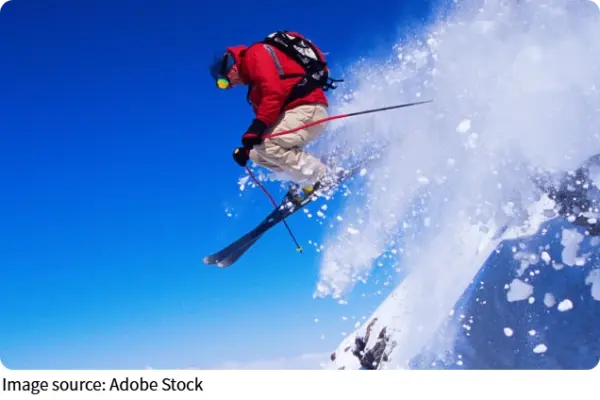
Ski extreme sports bring speed, control, and challenge together on steep mountain slopes. This activity pushes skiers beyond regular trails and into powerful natural terrain filled with deep snow and sharp turns. It requires focus, skill, and respect for the mountain environment.
We see athletes glide down slopes that appear almost vertical. These routes demand strong balance, fast reaction, and clear judgment. Ski extreme sports mix technique with nature in a dynamic way. Many skiers spend years training before they feel ready to handle these demanding conditions with confidence.
What Makes It Extreme?
Ski extreme sports usually happen on slopes that range from 45 degrees to over 60 degrees. Some areas even feel steeper because of uneven snow and rock formations. The terrain may include cliffs, narrow passages, and unpredictable snow conditions.
Speed is one key element. When we move down a steep mountain, gravity increases acceleration. Control becomes more important than speed alone. Small mistakes can affect balance and direction. That is why athletes practice turning skills, edge control, and body posture carefully.
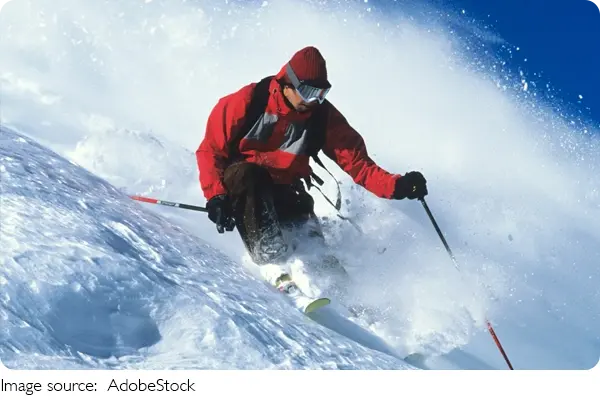
Snow conditions also change fast. Fresh powder snow feels soft and smooth, while hard snow or ice requires stronger grip from the skis. Before starting, we check the weather, snow stability, and possible avalanche risk. Preparation reduces danger and improves performance.
Essential Skills and Training
To join ski extreme sports, strong basic skiing skills are necessary. We must first master balance on regular slopes before moving to steeper areas. Learning proper stance helps maintain stability during fast descents.
Turning techniques are very important. Quick short turns help control speed on narrow routes. Long smooth turns work better on open steep fields. Practicing different turning styles builds confidence.
Physical strength also plays a big role. Leg muscles support balance and absorb shock from uneven ground. Core strength helps maintain posture. Many athletes train in gyms and on snow to improve endurance and coordination.
Mental focus matters just as much as physical ability. When we stand at the top of a steep slope, fear and excitement often mix together. Staying calm and making clear decisions improve safety and performance.
Popular Locations Around the World
Many mountains around the world are famous for extreme skiing. The Alps in Europe offer long steep routes and beautiful views. These mountains attract experienced skiers who want serious challenges.
North America also has well known spots. Mount Washington in New Hampshire is one example. Its terrain provides deep snowfields and changing weather. Skiers visit this place to test their skills in real mountain conditions.
In Asia, high mountain regions with strong winter snowfall also support extreme skiing activities. Local guides often help visitors understand terrain features and safe routes.
Each location has different snow patterns and landscape features. We choose destinations based on skill level and experience. Beginners should start with guided areas before exploring remote mountains.
Safety Comes First
Safety is the foundation of ski extreme sports. Because slopes are steep and conditions change quickly, preparation is necessary. We always wear protective gear such as helmets, goggles, and padding. These tools reduce injury risk during falls.
Checking avalanche forecasts is essential. If snow layers are unstable, the risk increases. Many skiers carry safety equipment like transceivers and rescue tools. Training in rescue skills helps teams respond quickly in emergencies.
Team communication improves safety. Skiing with partners allows mutual support and observation. If one person faces difficulty, others can provide help. Solo skiing in extreme terrain requires advanced experience and careful planning.
The Growth of the Sport
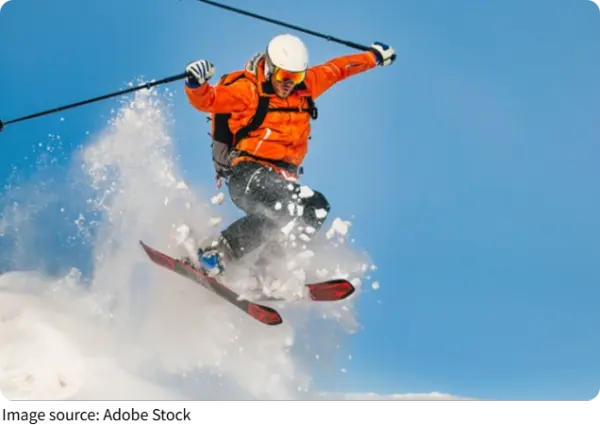
Over the years, ski extreme sports have grown through media exposure and global events. Videos and documentaries show impressive descents and creative routes. These visuals inspire new generations to explore mountain challenges.
Modern equipment also supports progress. Skis now use lighter materials and stronger edges for better control. Boots provide improved support for ankle stability. Technology makes it easier for athletes to track speed, route, and weather changes.
Communities of skiers share tips and experiences online. We learn from each other and improve together. This exchange of knowledge strengthens the culture of respect for nature and safety.
Let’s Explore Together
Ski extreme sports represent courage, skill, and passion for mountains. They challenge our limits while reminding us to respect nature. The journey requires training, awareness, and teamwork.
Lykkers, have you ever imagined standing at the top of a steep slope and feeling ready to slide down with confidence? It takes preparation and determination, but the reward feels powerful.
We hope this article helps you understand more about ski extreme sports. Let us continue exploring snow mountains, improving skills, and enjoying the thrill together.